



What's Happening?
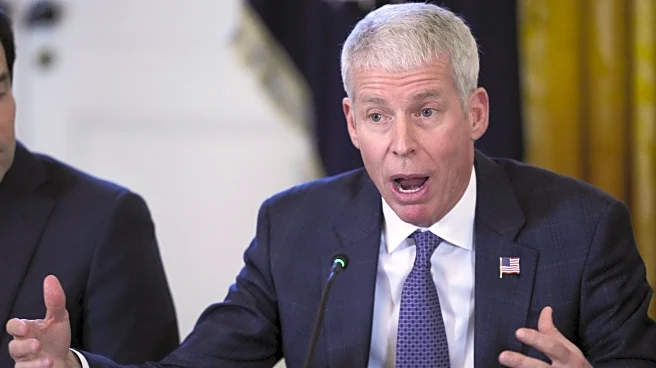
Israel's Energy and Infrastructure Minister, Eli Cohen, announced that the country is seriously considering the construction of a nuclear power plant. A special team of experts has been established to draft a national nuclear-energy strategy. Cohen emphasized
the growing need for nuclear energy due to increasing electricity demand, driven by advancements in artificial intelligence, quantum computing, and electric vehicles. He highlighted that nuclear energy is becoming more cost-effective due to new technologies, some developed in Israel. The initiative aims to diversify Israel's energy sources, reduce reliance on coal, and increase renewable energy to 30% of electricity generation within five years.
Why It's Important?
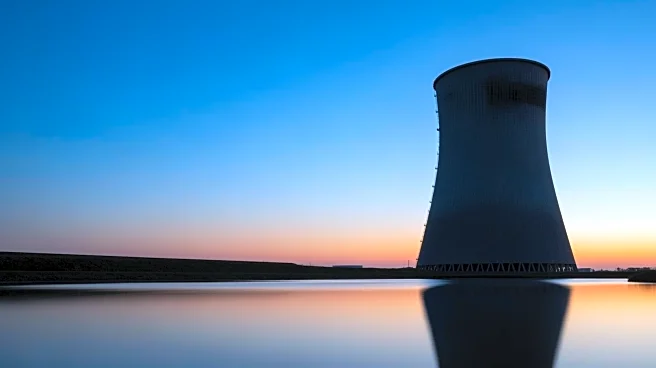
The potential development of a nuclear power plant in Israel represents a significant shift in the country's energy policy. It reflects a broader trend towards diversifying energy sources to meet rising demand and reduce environmental impact. The move could enhance Israel's energy security and economic stability by providing a reliable and cost-effective power source. Additionally, it aligns with global efforts to transition to cleaner energy solutions. However, the initiative may face challenges, including public opposition and geopolitical considerations, given the region's complex security dynamics.
What's Next?
The expert team's recommendations will be presented to the Israeli cabinet for a decision. If approved, the project could lead to significant investments in nuclear technology and infrastructure. The government will also continue to promote solar energy and other renewable sources to meet its energy goals. The outcome of this initiative could influence regional energy policies and Israel's role in the global energy market. Stakeholders, including environmental groups and neighboring countries, may respond to the proposal, potentially impacting its progress.