
What's Happening?
The International Rescue Committee (IRC), a global humanitarian non-governmental organization, is actively seeking a 'My New School Coordinator' to manage educational and enrichment programming in its
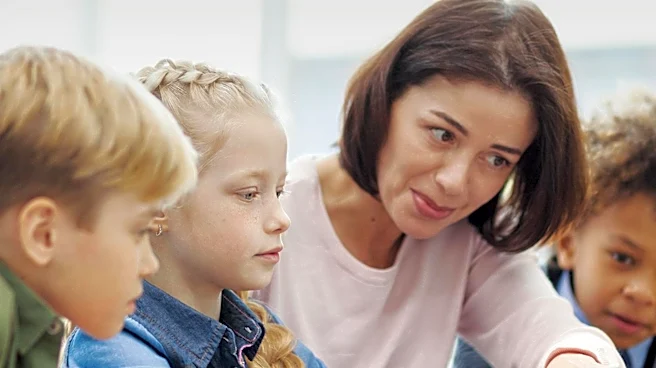
U.S. cities. This role is central to the IRC's 'My New School After School and Summer Camp Programs,' which aim to support individuals devastated by conflict and disaster. The coordinator will be responsible for program implementation, participant recruitment, and family engagement, ensuring that best practices in teaching and social-emotional learning are integrated. The position also involves overseeing grant management, collaborating with various stakeholders, and ensuring adherence to educational goals. Founded in 1933 at the behest of Albert Einstein, the IRC operates in over 40 countries and 29 U.S. cities, focusing on restoring health, safety, education, economic well-being, and empowerment to vulnerable populations. The coordinator will work with the Youth team, interns, and volunteers, and will report to the Youth Supervisor. This role is represented by the OPEIU union and has an end date of September 30, 2027.
Why It's Important?
This initiative by the International Rescue Committee is crucial for the integration and well-being of refugee and immigrant populations within the United States. By focusing on educational and enrichment programming, the IRC addresses a fundamental need for stability and opportunity among those who have experienced significant trauma and displacement. Effective coordination of these programs can lead to improved academic outcomes, enhanced social-emotional development, and greater community integration for children and youth. This effort helps to mitigate the long-term challenges faced by these vulnerable groups, fostering self-sufficiency and reducing reliance on public assistance. The emphasis on family engagement also strengthens community ties and provides a supportive environment for both children and their caregivers. The success of these programs can serve as a model for other organizations and government agencies working with similar populations, highlighting the importance of comprehensive educational support in humanitarian aid efforts within the U.S.
What's Next?
The immediate next step is the successful recruitment and onboarding of the 'My New School Coordinator.' Once in place, the coordinator will focus on managing the implementation and delivery of the After School and Summer Camp programs, including participant recruitment, retention, and attendance. A key responsibility will be to manage program files and databases, ensuring accurate and complete records for monitoring and evaluation. The coordinator will also lead grant management, outcomes tracking, and compliance, including reporting to funders. Collaboration with external partners and serving as a liaison between organizations will be ongoing. The position requires planning and coordinating caregiver and teacher conferences, conducting teacher observations, and co-leading weekly workshops and lessons. The coordinator will also be responsible for preparing internal and external reports and leading the recruitment and supervision of program volunteers and interns. The program is expected to continue until at least September 30, 2027, with ongoing efforts to achieve educational goals and objectives.
Beyond the Headlines
Beyond the immediate educational benefits, the IRC's 'My New School' programs address deeper societal implications related to cultural integration and the long-term success of refugee and immigrant communities in the U.S. By providing structured educational and social-emotional support, these programs help bridge cultural gaps and mitigate the psychological impacts of displacement. The focus on best practices in teaching and social-emotional learning acknowledges the unique challenges faced by these students, who may have experienced interrupted schooling or trauma. This holistic approach not only equips them with academic skills but also fosters resilience, self-esteem, and a sense of belonging. The initiative also highlights the critical role of non-governmental organizations in supplementing public services, particularly in areas where resources for vulnerable populations may be stretched. The success of these programs can contribute to a more inclusive society, demonstrating the value of investing in the human capital of new arrivals and promoting their active participation in American life.