

What's Happening?
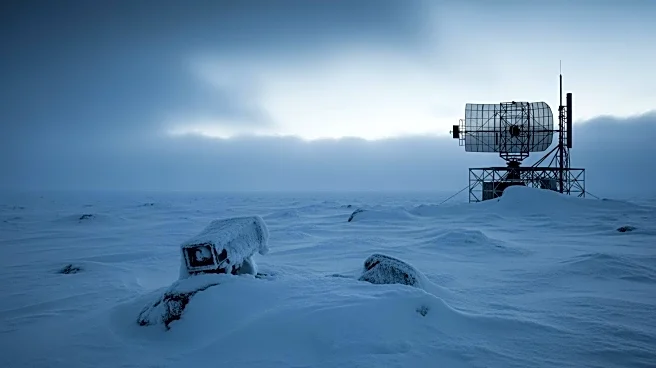
Norwegian security services have issued a warning that Russia is expected to intensify its espionage activities in Norway, particularly focusing on the Arctic region. This development is linked to Norway's support for Ukraine and its status as Europe's
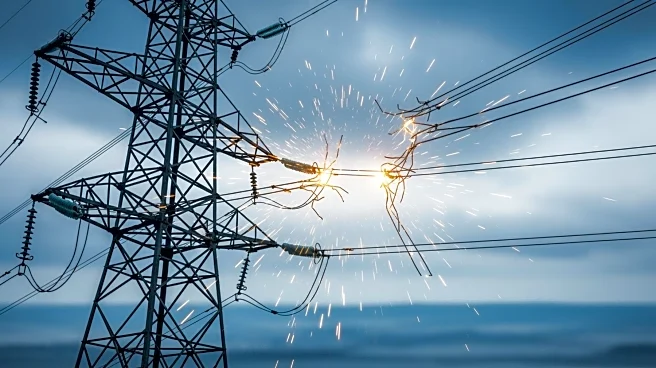
leading supplier of pipeline gas. The annual threat assessment report by Norway's security services (PST) highlights concerns over potential Russian sabotage targeting Norway's energy infrastructure, either through physical means or cyberattacks. In response, Norway has expelled Russian intelligence officers operating under diplomatic cover and restricted Russian vessels' access to its ports. Despite these measures, Russian intelligence agencies are anticipated to adapt and continue their operations, including attempts to recruit Ukrainian refugees in Norway for intelligence purposes.
Why It's Important?
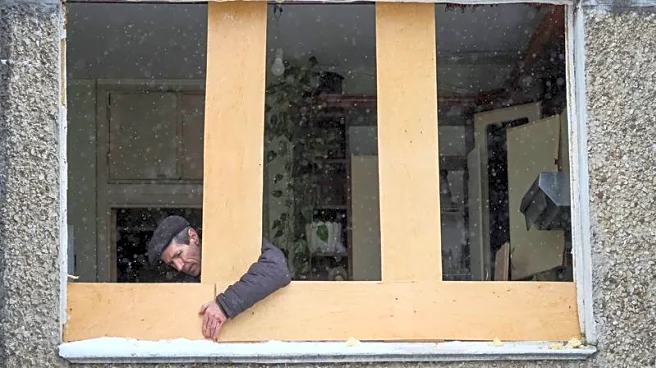
The anticipated increase in Russian espionage activities in Norway underscores the broader geopolitical tensions between Russia and Western nations, particularly in the context of the ongoing conflict in Ukraine. Norway's strategic position as a major energy supplier to Europe makes it a critical target for Russian intelligence efforts. The potential for sabotage or cyberattacks on Norway's energy infrastructure poses significant risks not only to Norway but also to European energy security. Additionally, the recruitment of Ukrainian refugees for intelligence purposes highlights the complex human dimension of the conflict, as these individuals may face pressure due to their ties to Russian-occupied areas in Ukraine. The situation reflects the growing hybrid threats that European nations must address to safeguard their national security and infrastructure.
What's Next?
Norwegian security services will likely continue to monitor and counter Russian intelligence activities, focusing on protecting critical infrastructure and preventing recruitment efforts among Ukrainian refugees. The situation may prompt further diplomatic actions, such as additional expulsions of Russian personnel or increased collaboration with NATO allies to enhance regional security. As tensions persist, Norway and its allies may need to develop more robust strategies to address hybrid threats, including cyber defense measures and intelligence-sharing initiatives. The evolving geopolitical landscape will require ongoing vigilance and adaptation to counteract potential threats from Russian and other foreign intelligence operations.