



What's Happening?
The recent Democratic primaries have seen a significant number of older incumbents, including U.S. Representative John Larson, lose their seats to younger challengers. Larson, 78, was defeated by former Hartford Mayor Luke Bronin, 47, in Connecticut's
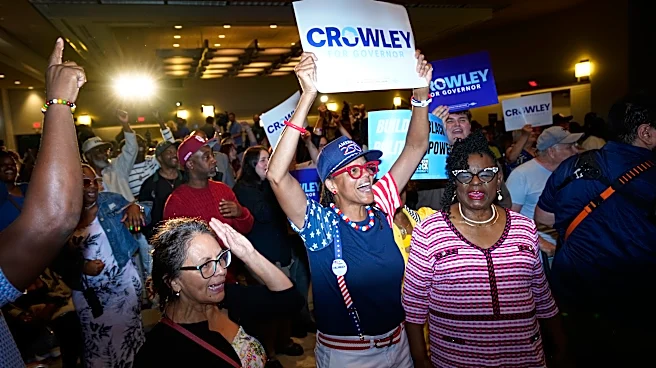
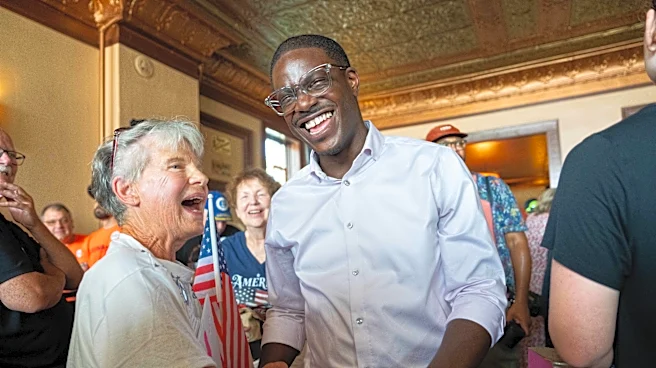
1st Congressional District. This trend reflects a broader desire among Democratic voters for generational change within the party. Several incumbents, such as Representatives Adriano Espaillat and Al Green, were also ousted by younger, often more progressive candidates. The primary results highlight a shift towards younger leadership and a growing influence of the party's progressive wing, as evidenced by the success of candidates backed by figures like Zohran Mamdani.
Why It's Important?
The ousting of older incumbents signals a potential transformation within the Democratic Party, as voters express a preference for new leadership and ideas. This generational shift could impact the party's policy priorities and electoral strategy, particularly as it prepares for the general election. The rise of progressive candidates may also influence the party's stance on key issues, such as economic inequality and social justice, potentially reshaping its platform. The primary results could have significant implications for the party's ability to appeal to a diverse electorate and maintain unity amid internal divisions.
What's Next?
The Democratic National Committee's upcoming summer meeting in Austin, Texas, will be a critical moment for party leaders to assess the primary landscape and strategize for the general election. The party will need to navigate the challenges posed by the rise of younger, progressive candidates while ensuring broad electoral appeal. The outcome of the general election will determine the party's control of Congress and influence its direction heading into the 2028 presidential cycle.