


What's Happening?
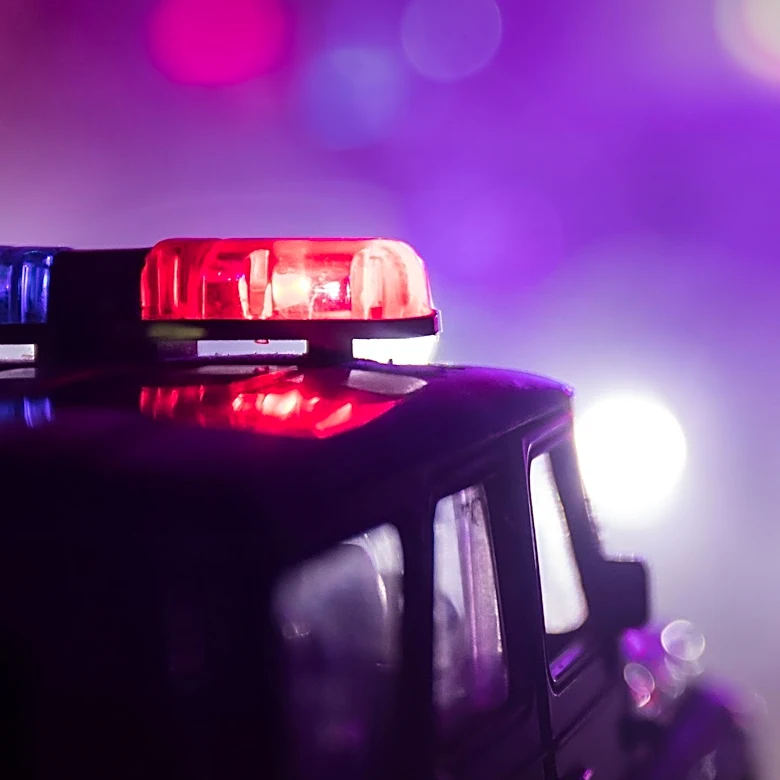
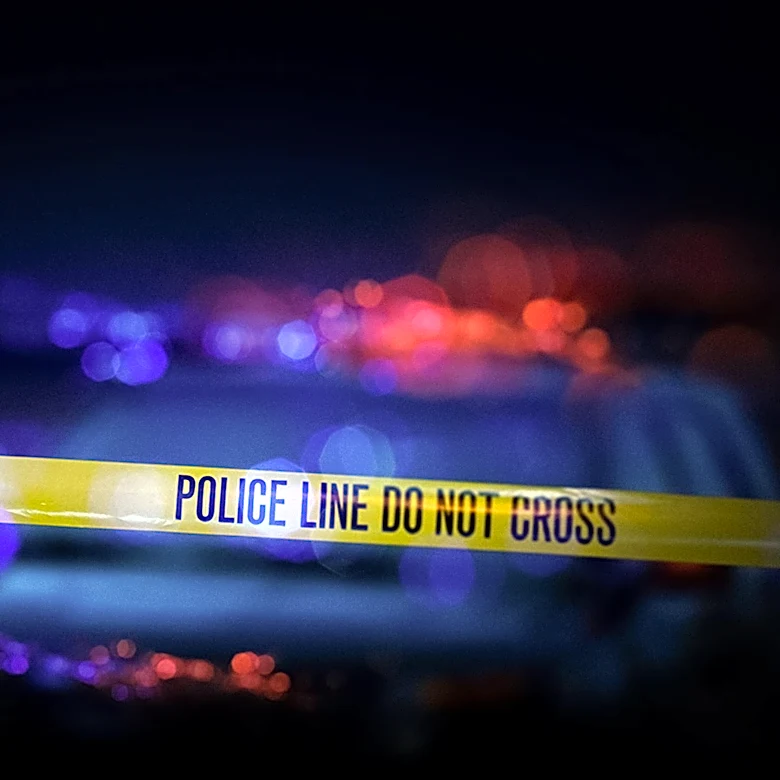
The Douglas County Sheriff's Office is actively searching for the driver of a black, four-door Jeep Wrangler involved in a road rage incident in West Omaha, Nebraska. The incident occurred near 205th and Harrison, where the Jeep driver allegedly ran over
a 14-year-old who was illegally operating an electric dirt bike. The 14-year-old was with two other boys, aged 10 and 12, also on electric dirt bikes. According to deputies, the incident began when the Jeep driver honked at the children, then pursued them up Roosevelt Street to a nearby field. Skid marks at the scene suggest a chase, and investigators believe the boys jumped a curb to evade the Jeep. Criminal Investigation Captain Nate Kovarik stated that observing a traffic infraction does not justify vigilantism, emphasizing that felony charges are likely if the suspect is apprehended. The Sheriff's Office is utilizing all available resources, including footage from a nearby Flock camera, to identify and locate the driver. This incident highlights ongoing community efforts in Omaha to address the increasing presence of electric dirt bikes on public roads, with Bellevue having banned them in July.
Why It's Important?
This incident underscores the escalating tensions and safety concerns surrounding the use of electric dirt bikes on public roads, particularly involving minors. The potential for felony charges against the Jeep driver highlights the legal ramifications of road rage and vigilantism, setting a precedent for how such incidents are prosecuted. For communities like Omaha, the event brings to the forefront the challenges of regulating new forms of personal transportation and ensuring public safety. The ban on electric dirt bikes in Bellevue reflects a growing trend among local governments to implement stricter controls, which could impact manufacturers, retailers, and users of these vehicles. Furthermore, the involvement of a minor in an illegal activity raises questions about parental responsibility and the need for increased education regarding traffic laws and safe riding practices. The use of technology like Flock cameras in the investigation also emphasizes the evolving role of surveillance in law enforcement and its implications for privacy and crime resolution.
What's Next?
The Douglas County Sheriff's Office will continue its investigation, focusing on identifying and apprehending the driver of the Jeep Wrangler. The use of Flock camera footage and other resources will be crucial in this process. If the driver is found, they will likely face felony charges, leading to a legal process that could include arrest, arraignment, and trial. This case may also prompt further discussions and actions within Omaha and surrounding communities regarding the regulation and enforcement of laws pertaining to electric dirt bikes and scooters. Local officials may consider additional public awareness campaigns to educate both parents and children about the legal and safety implications of operating these vehicles on public roads. The outcome of this case could influence future policy decisions on electric dirt bike usage and potentially lead to more widespread bans or stricter enforcement measures across the region.
Beyond the Headlines
The incident delves into deeper societal issues beyond immediate road safety, touching upon the concept of vigilantism and the breakdown of civil discourse in public spaces. The driver's decision to take matters into their own hands, rather than reporting a traffic infraction, reflects a concerning trend of individuals bypassing legal channels to enforce perceived justice. This raises ethical questions about personal accountability and the role of citizens in maintaining public order. Culturally, the rise of electric dirt bikes among youth points to evolving recreational trends and the need for urban planning to accommodate new forms of mobility safely. The incident also highlights the broader challenge of balancing individual freedoms with collective safety, particularly when new technologies introduce unforeseen risks. The legal proceedings, if they occur, will not only address the specific actions of the driver but also potentially set a precedent for how society views and responds to acts of road rage and unauthorized enforcement of laws.