
What's Happening?
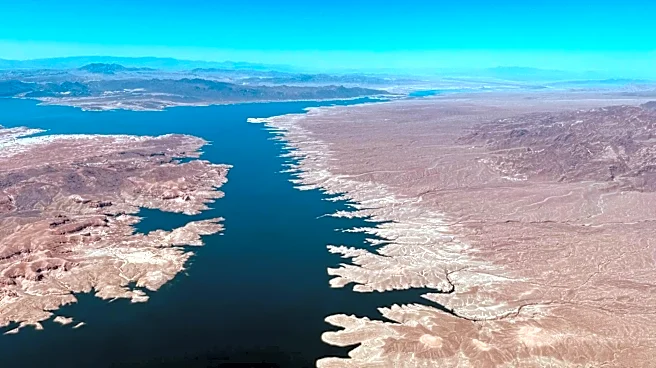
The Euphrates River, a historically significant waterway in the Middle East, is experiencing a severe environmental crisis. According to a 2013 NASA report, the Tigris and Euphrates river basins lost 117
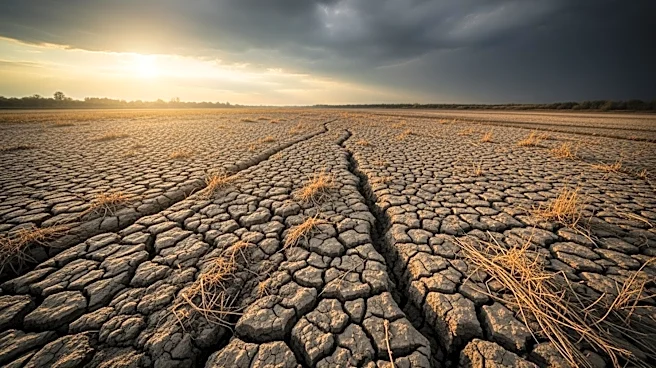
million acre-feet of freshwater between 2003 and 2009. This decline is attributed to aggressive groundwater pumping and worsening droughts linked to climate change. The river's shrinking has sparked fears among some Christians who interpret this as a sign of an apocalyptic prophecy from the Book of Revelation. The prophecy suggests that the drying of the Euphrates would pave the way for a massive eastern army to march toward the Battle of Armageddon. The crisis is exacerbating humanitarian issues in the region, with failing crops, contaminated water, and disease outbreaks affecting communities that have relied on the river for millennia.
Why It's Important?
The environmental decline of the Euphrates River has significant implications for the Middle East, a region already facing numerous challenges. The loss of freshwater resources threatens agricultural productivity, exacerbates food insecurity, and increases the risk of disease outbreaks. This situation highlights the broader impacts of climate change and unsustainable water management practices. The crisis also underscores the importance of international cooperation in addressing environmental issues that transcend national borders. For the U.S., this development could influence foreign policy and humanitarian aid strategies in the region, as well as contribute to global discussions on climate change mitigation and adaptation.
What's Next?
If no drastic action is taken, officials warn that the Euphrates could run dry by 2040. This would have devastating consequences for the millions of people who depend on the river for their livelihoods. The international community may need to intervene to provide support and resources to mitigate the crisis. Additionally, there could be increased pressure on regional governments to implement sustainable water management practices and address the root causes of the environmental decline. The situation may also prompt further discussions on the role of climate change in exacerbating geopolitical tensions and humanitarian crises.
Beyond the Headlines
The drying of the Euphrates River raises questions about the intersection of environmental issues and religious beliefs. For some, the river's decline is seen as a fulfillment of biblical prophecy, which could influence public perception and policy decisions. This highlights the complex relationship between religion, culture, and environmental challenges. The crisis also serves as a reminder of the long-term impacts of human activity on natural resources and the need for sustainable development practices. As the situation unfolds, it may prompt broader discussions on the ethical and cultural dimensions of environmental stewardship.