






What's Happening?
Newfoundland and Labrador has consolidated its nursing regulatory bodies into a single entity, the NL College of Nurses, merging the College of Registered Nurses and the College of Licensed Practical Nurses. This move aims to modernize healthcare regulation,
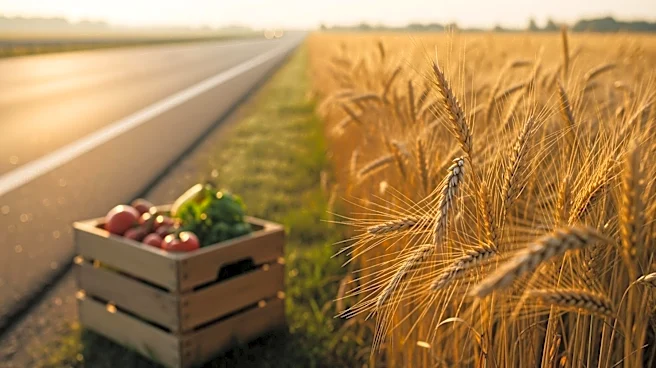
reduce administrative duplication, and improve operational efficiency. The unified body will maintain its core mandate of ensuring patient safety and professional standards across all nursing classifications. Simultaneously, the province's agriculture sector is facing significant challenges due to environmental pressures and geopolitical disruptions. Advocates are calling for increased provincial government support to address these issues, which threaten food production and farmer livelihoods.
Why It's Important?
The consolidation of nursing regulatory bodies in Newfoundland and Labrador represents a significant step towards modernizing healthcare regulation, potentially serving as a model for other provinces. It aims to streamline operations, reduce costs, and enhance professional standards, ultimately benefiting healthcare professionals and patients. Meanwhile, the agriculture sector's call for government support highlights the vulnerability of food production to external pressures. Addressing these challenges is crucial for maintaining food security and supporting the agricultural economy, which is vital for rural employment and provincial economic resilience.
What's Next?
The newly formed NL College of Nurses will focus on maintaining continuity in regulatory processes while exploring opportunities for enhanced collaboration and strategic planning. For the agriculture sector, the provincial government's response to advocacy efforts will be critical. Potential relief measures could include subsidized input costs, emergency funding, and infrastructure investments. These interventions are necessary to stabilize the sector and ensure long-term sustainability. The government's actions will influence the sector's trajectory and its ability to adapt to ongoing environmental and geopolitical challenges.