






What's Happening?
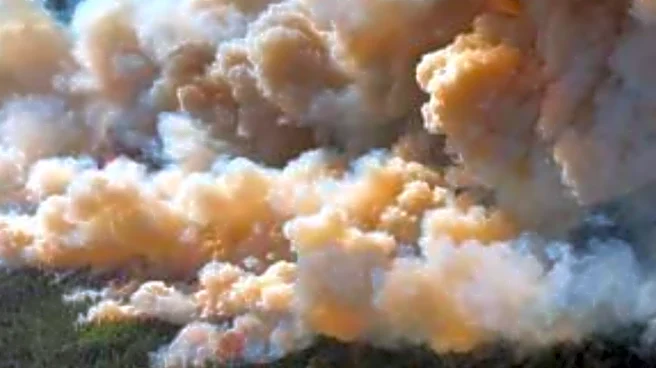
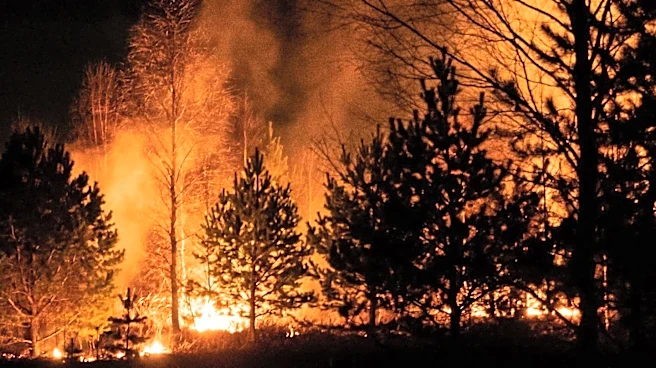
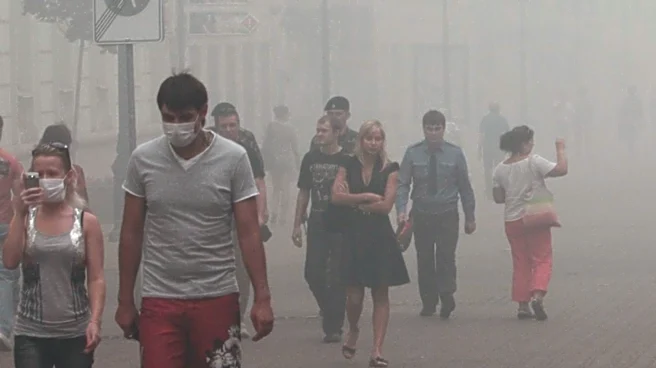
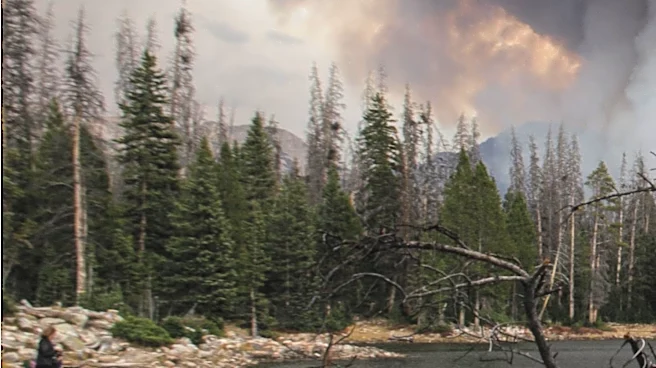
Smoke from Canadian wildfires has returned to Illinois, causing air quality to remain at 'unhealthy' levels, according to AirNow, a platform that aggregates data from various air quality agencies. The smoke, which had previously moved out of Illinois into
Michigan and Wisconsin, was pushed back by a cold front on Saturday night. Gino Izzi, a senior meteorologist at the National Weather Service, noted that the smoke is expected to linger in Illinois throughout Sunday before potentially moving back across Lake Michigan. The Illinois Environmental Protection Agency issued an air pollution alert for all sectors of the state, except for St. Louis Metro East, indicating that air quality could be 'unhealthy for sensitive groups.' This situation highlights the ongoing challenges posed by climate change, which is contributing to more frequent and severe wildfires.
Why It's Important?
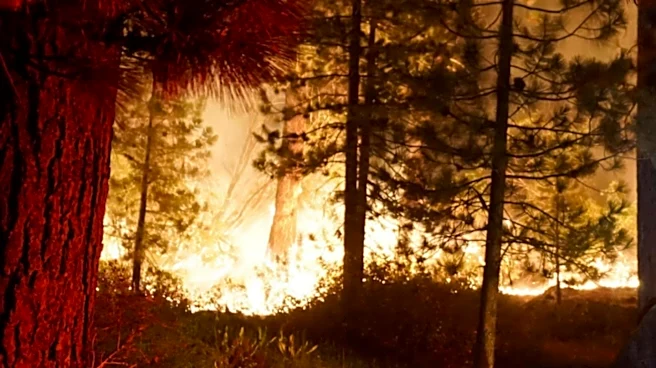
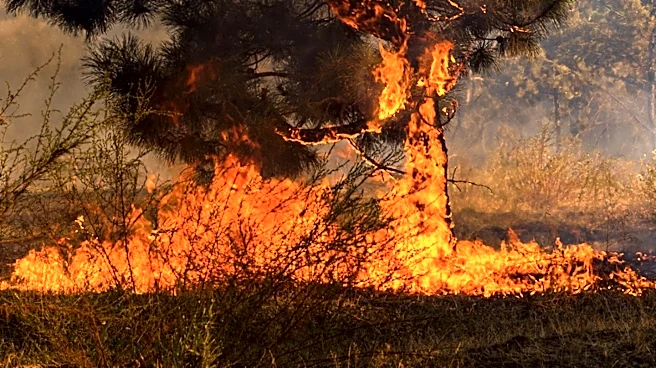
The return of wildfire smoke to Illinois underscores the broader environmental and public health challenges associated with climate change. As wildfires become more frequent and severe due to changing climate conditions, air quality events like this are expected to become more common, disrupting daily life and posing health risks, particularly to sensitive groups such as children, the elderly, and those with pre-existing health conditions. The situation in Illinois serves as a reminder of the interconnectedness of environmental issues across regions, as smoke from Canadian wildfires impacts air quality in the U.S. This highlights the need for coordinated efforts to address climate change and its effects on public health and safety.
What's Next?
The immediate concern is the potential for the smoke to persist in Illinois, affecting air quality and public health. Meteorologists will continue to monitor wind patterns and weather conditions to predict the movement of the smoke. In the longer term, there may be increased pressure on policymakers to implement measures that address the root causes of climate change and improve air quality standards. Public health advisories and alerts will likely continue to be issued as needed to protect vulnerable populations. Additionally, there may be calls for increased investment in wildfire prevention and management strategies to mitigate future impacts.