





What's Happening?
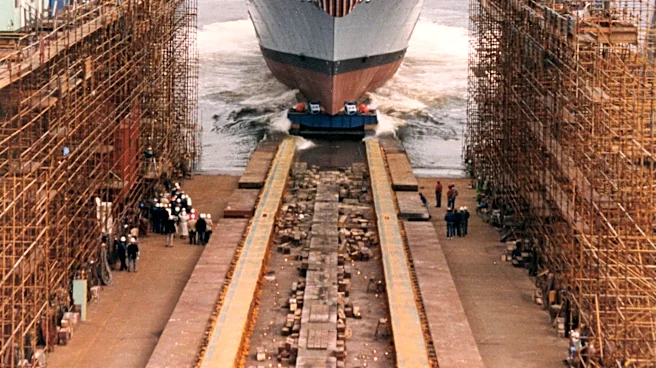
The U.S. Navy's inflation-adjusted shipbuilding budget has nearly doubled since 2004, yet the service is struggling to meet its optimal fleet-size goals, according to a report by the U.S. Government Accountability Office (GAO). In 2023, private industry
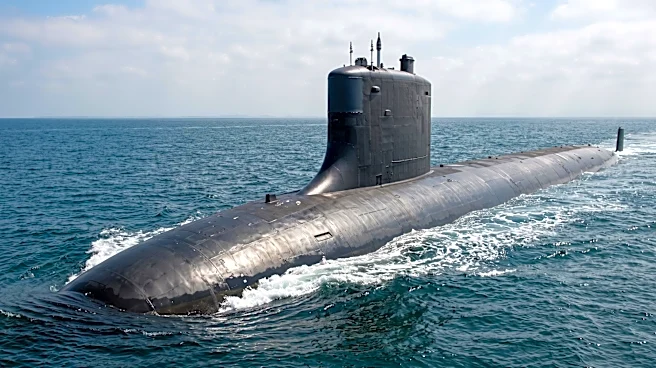
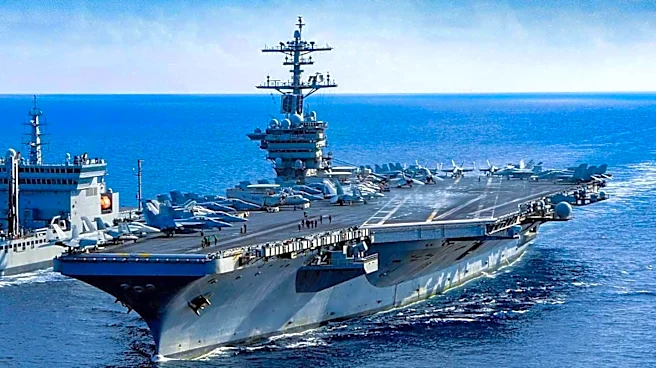
delivered only seven battle-ready ships to the Navy. However, to achieve its target fleet size, the Navy requires an average of 13 new ships per year over the next 30 years. This significant gap between current delivery rates and future needs highlights a critical challenge in national defense and industrial capacity. The existing shipbuilding industry has faced difficulties in delivering vessels on schedule, contributing to the shortfall. This situation is exacerbated by growing maritime competition, particularly from China, which necessitates an expansion and modernization of the U.S. Navy's fleet of surface ships and submarines.
Why It's Important?
This report underscores a critical national security concern for the United States. The inability to meet shipbuilding targets, despite a substantial increase in budget, directly impacts the Navy's capacity to project power, maintain global presence, and respond to emerging threats. The growing maritime competition, especially from China, makes a robust and modern naval fleet essential for safeguarding U.S. interests and alliances. The shortfall in ship deliveries indicates potential weaknesses in the industrial base, workforce availability, or procurement processes. This situation could lead to an aging fleet, reduced operational readiness, and a diminished strategic advantage. Addressing this challenge is vital for maintaining national defense capabilities and ensuring the U.S. remains a dominant maritime power.
What's Next?
To address the shipbuilding shortfall, the U.S. government is increasing its investment in the shipbuilding industry. Community colleges are stepping up to meet the demand for skilled workers by scaling up short-term training programs. For instance, Delaware County Community College in Pennsylvania has partnered with Hanwha Ocean to train employees for Hanwha Philly Shipyard Inc. to fulfill U.S. government contracts. Similarly, the U.S. Navy is providing $30 million to the Alabama Community College System to modernize and expand maritime workforce training. These initiatives aim to build a skilled workforce capable of supporting the increased shipbuilding demands. The focus will be on developing skills in welding, machining, structural fitting, and other specialized areas required for modern shipbuilding, including Industry 4.0 skills like robotics and data analytics.
Beyond the Headlines
The challenges in U.S. Navy shipbuilding extend beyond budgetary and delivery issues, touching upon broader economic and workforce development implications. The decline in U.S. commercial shipbuilding, with less than 1% of new commercial ships built domestically today compared to 5% in the 1970s, highlights a long-term erosion of industrial capacity. The current efforts to revitalize the shipbuilding workforce through community college partnerships represent a strategic investment in human capital and industrial infrastructure. This initiative could serve as a model for other critical industries facing skilled labor shortages. The long-term success of these programs will depend on sustained funding, effective collaboration between educational institutions and industry, and the ability to attract and retain a new generation of skilled workers, ultimately contributing to both national security and economic growth.