








What's Happening?
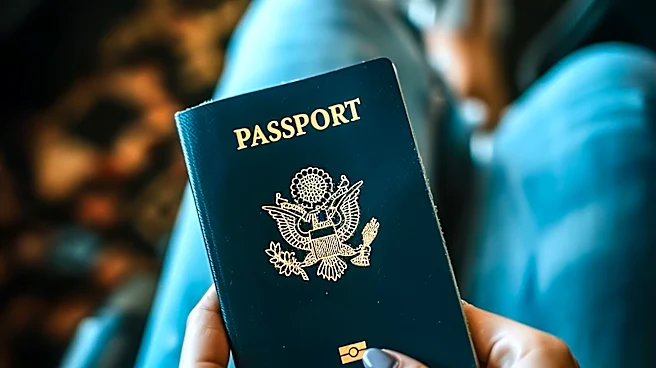
U.S. passport holders are encountering an increasingly complex international travel landscape where traditional visa-free arrangements no longer guarantee entry without prior electronic authorization. While the U.S. passport allows visa-free entry to
113 destinations and access to 180 destinations in total without an advance visa, many countries are now implementing mandatory electronic travel permissions. This new layer of screening, distinct from conventional visas, requires travelers to obtain approval before departure. Examples include the United Kingdom's Electronic Travel Authorization (ETA) and New Zealand's Electronic Travel Authority (NZeTA). These systems allow immigration authorities to review passenger information in advance, strengthening document verification and adding requirements for travelers who previously entered with only a valid passport. The European Travel Information and Authorization System (ETIAS) is also preparing to introduce similar pre-departure electronic screening for U.S. citizens traveling to participating European countries, with an intended launch in the final quarter of 2026. This shift means that even for visa-exempt travel, Americans must often complete administrative steps before their journey begins.
Why It's Important?
This evolution in international travel requirements has significant implications for U.S. citizens, impacting their travel planning, expenses, and overall mobility. The distinction between visa-free admission and mandatory electronic travel permission introduces administrative responsibilities that can affect airline boarding eligibility and the likelihood of completing an itinerary without unexpected immigration complications. For instance, airlines are increasingly enforcing these electronic authorization requirements, preventing passengers from boarding if the necessary digital permission cannot be confirmed. This can lead to missed departures, canceled accommodations, and disrupted business appointments. The new systems also highlight a broader global trend towards enhanced pre-arrival screening, allowing governments to conduct security and immigration checks during the application process. This impacts privacy considerations, as applicants must submit sensitive personal information through government-controlled digital platforms. Understanding these nuanced requirements is crucial for U.S. travelers, as an approved electronic authorization does not guarantee entry and border officers retain the right to examine and deny admission based on various factors.
What's Next?
As the United Kingdom continues to enforce its ETA requirements and New Zealand operates its NZeTA system, U.S. travelers planning trips to these regions must ensure they obtain the necessary electronic authorizations in advance. The European Union's ETIAS system is expected to become operational in the final quarter of 2026, which will require U.S. citizens traveling to participating European countries for short stays to obtain authorization. Travelers should closely monitor official implementation announcements for ETIAS and avoid purchasing purported authorizations from commercial websites before the official government application system is available. Furthermore, U.S. citizens with criminal histories or previous immigration issues may face additional challenges and should seek qualified immigration advice before booking travel. The increasing digitalization of travel permissions suggests that future international mobility for U.S. passport holders will continue to depend on completing authorization procedures before arrival, making comprehensive planning and adherence to country-specific requirements more critical than ever.
Beyond the Headlines
The shift towards mandatory electronic travel authorizations reflects a deeper global trend in border security and immigration management, moving beyond traditional physical visa stamps to digital pre-screening. This development raises ethical and legal questions regarding data privacy, as travelers are required to submit extensive personal information to foreign governments. The increasing reliance on digital systems also creates a potential for digital divides, where individuals with limited access to technology or digital literacy might face barriers to international travel. Moreover, the varying legal classifications of these electronic permissions (e.g., Australia's ETA being a formal visa versus the UK's ETA being an authorization) underscore the complexity and lack of universal standardization in international travel regulations. This evolving framework could lead to a long-term shift in how global mobility is perceived, transforming the U.S. passport from a standalone travel document into one that increasingly requires supplementary digital credentials for seamless international journeys.