







What's Happening?
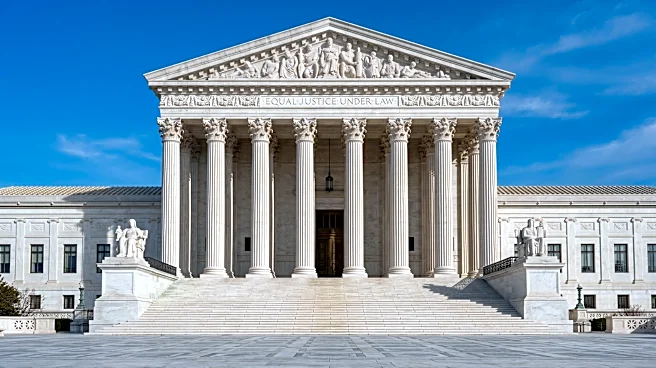
Twenty states, including Texas and Florida, have filed an amicus brief with the U.S. Supreme Court in support of Missouri's request to maintain its 2022 congressional map. This action comes after the Missouri Supreme Court ruled that the 2022 map must
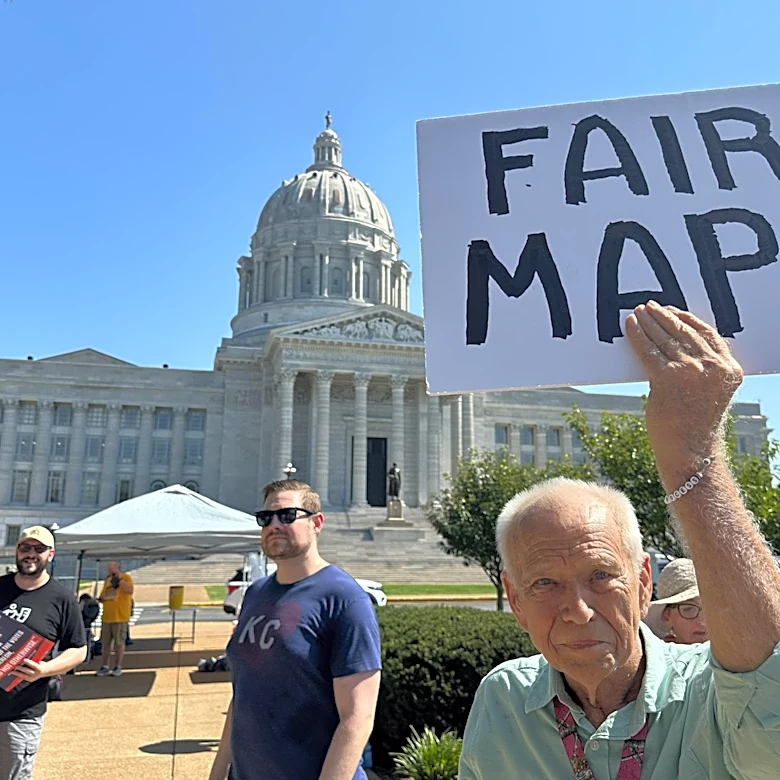
be used for the upcoming November elections, overturning a previous decision by Secretary of State Denny Hoskins. Missouri officials, including Attorney General Catherine Hanaway and Secretary of State Denny Hoskins, are appealing this ruling to the U.S. Supreme Court, arguing that switching to a different map so close to the election would cause significant voter confusion. The 2025 map, which was drawn during a special session last year, was designed to favor a Republican candidate in the Kansas City area. The primary election was conducted under this 2025 map, but the Missouri Supreme Court's recent decision means some voters could find themselves in different districts for the general election. The legal challenge highlights the contentious nature of redistricting, with states taking differing stances on the flexibility of election maps between primaries and general elections.
Why It's Important?
This legal battle over Missouri's congressional map has national implications, particularly given the close race for control of the U.S. House of Representatives. A single congressional seat could significantly impact the balance of power in Washington D.C. The involvement of 20 other states, led by Republican attorneys general, underscores the broader political strategy at play, as both parties seek to maximize their electoral advantages through redistricting. The argument that changing maps between primary and general elections causes voter confusion is a key point of contention, raising questions about election integrity and voter access. The U.S. Supreme Court's decision will not only determine Missouri's electoral landscape but could also set a precedent for how other states handle redistricting challenges, especially when changes are mandated close to an election. This situation highlights the ongoing tension between state judicial rulings and the practicalities of election administration, with potential consequences for voter participation and the perceived fairness of the electoral process.
What's Next?
The U.S. Supreme Court is expected to consider the appeal from Missouri officials and the amicus brief filed by Texas and 19 other states. The court is being asked to make a decision quickly, potentially by next Monday, as election clerks need to mail out November ballots to overseas Missourians shortly thereafter. The case will be decided based on written arguments, without in-person re-argument. The ACLU of Missouri, the ACLU Voting Rights Project, and the Campaign Legal Center have filed a brief opposing the map reversal, urging the U.S. Supreme Court to reject what they term a 'last-minute effort' to reinstate the 2025 congressional map. Regardless of the Supreme Court's decision, the broader issue of redistricting and its impact on electoral outcomes will likely remain a significant point of contention in U.S. politics, with ongoing legal challenges and legislative efforts to influence future election maps.
Beyond the Headlines
The Missouri redistricting dispute, supported by Texas and other states, delves into the fundamental principles of democratic representation and the role of the judiciary in electoral processes. The debate over whether election maps can be altered between primary and general elections touches upon the concept of voter stability and the potential for partisan manipulation. The argument of voter confusion, while practical, also masks deeper concerns about gerrymandering and its impact on the fairness of elections. The involvement of numerous states in an amicus brief signals a coordinated effort to influence judicial interpretation of election laws, potentially shaping future precedents for redistricting nationwide. This case also highlights the ongoing struggle between legislative bodies, which draw the maps, and judicial bodies, which review their legality, underscoring the checks and balances inherent in the U.S. political system. The outcome could influence how states approach the timing and implementation of new electoral maps, with long-term implications for political representation and the balance of power.