




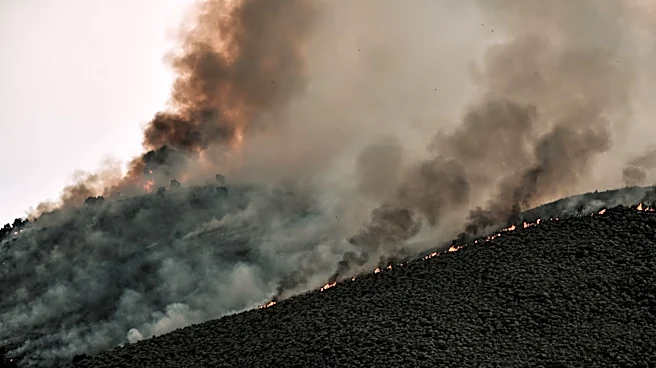

What's Happening?
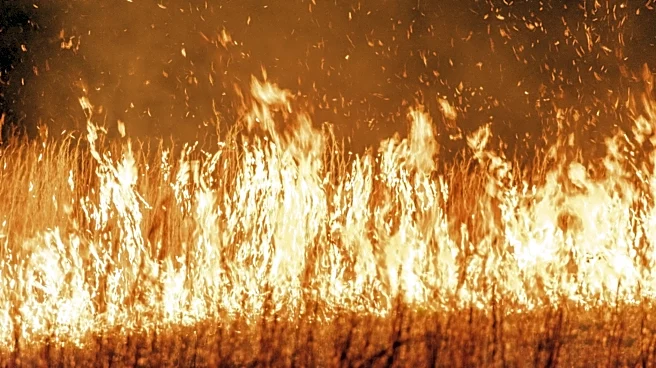
In Colorado, discussions around wildfire policy are increasingly focusing on the use of chemical retardants in aerial firefighting. John Herrick, a former firefighter and attorney, emphasizes the need for a balanced approach that prioritizes water-based
suppression methods. Herrick argues that while fire retardants have been effective in protecting lives and property, they also pose environmental risks, particularly to watersheds. He advocates for the use of modern amphibious aircraft that can deliver water with precision, reducing the need for chemical retardants. This approach aligns with a growing consensus among firefighters, policymakers, and conservationists who seek to protect Colorado's vital water resources while effectively managing wildfires.
Why It's Important?
The debate over wildfire suppression methods is crucial for Colorado, a state that relies heavily on its watersheds for drinking water, agriculture, and recreation. The use of chemical retardants has raised concerns about potential contamination of water sources, which could have long-term environmental and public health implications. By prioritizing water-based suppression, Colorado can mitigate these risks while maintaining effective wildfire management. This shift in strategy reflects a broader trend towards environmentally sustainable practices in disaster response. The outcome of these policy discussions could serve as a model for other states facing similar challenges.
What's Next?
As Colorado continues to refine its wildfire management strategies, the state legislature is expected to play a key role in shaping policy. Investments in aerial water-based suppression capabilities and rapid-response aviation resources are likely to be prioritized. Policymakers will need to balance the immediate needs of wildfire suppression with the long-term goal of environmental protection. Collaboration among state agencies, local communities, and conservation groups will be essential to implement these strategies effectively. The ongoing dialogue around wildfire policy in Colorado will likely influence national discussions on best practices for managing natural disasters.