







What's Happening?
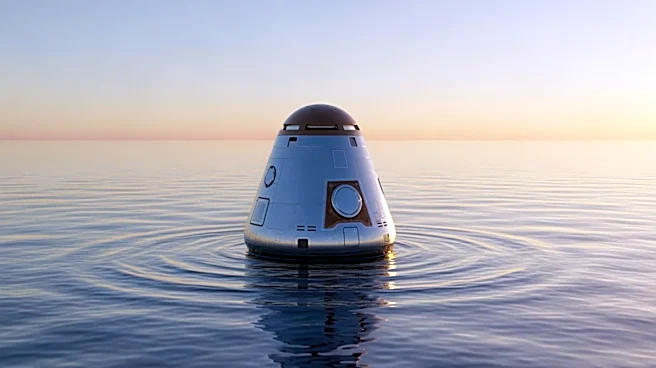
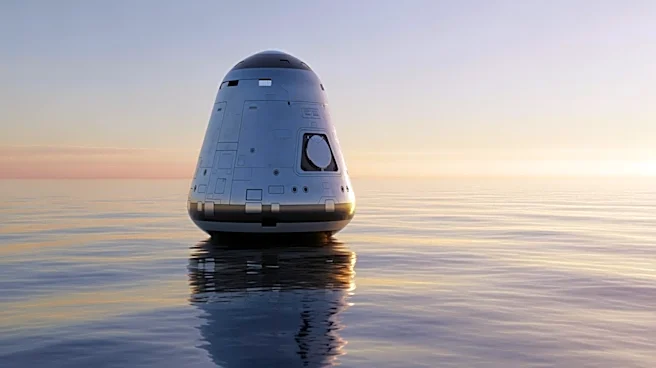
NASA's Artemis 2 mission has successfully completed a lunar flyby, marking a significant milestone in human deep space exploration. The mission, involving astronauts Reid Wiseman, Victor Glover, Christina Koch, and Jeremy Hansen aboard the Orion spacecraft
named 'Integrity,' provided unprecedented views and experiences from the Moon's orbit. The astronauts shared detailed observations and emotions during their journey, highlighting the advancements in technology since the Apollo missions. The mission's coverage included real-time video and high-resolution images, offering a vivid portrayal of the lunar surface and the Earth from afar. This mission represents a new chapter in space exploration, moving beyond the historical achievements of the Apollo era.
Why It's Important?
The Artemis 2 mission is crucial for advancing human space exploration capabilities and reigniting public interest in lunar missions. It demonstrates NASA's commitment to returning humans to the Moon and eventually exploring Mars. The mission's success showcases technological advancements that allow for more detailed and immersive experiences, potentially inspiring future generations of scientists and engineers. The real-time sharing of images and experiences from space enhances transparency and engagement with the public, fostering a deeper understanding of space exploration's challenges and opportunities. This mission sets the stage for future endeavors, including establishing a sustainable human presence on the Moon.
What's Next?
Following the success of Artemis 2, NASA plans to continue its Artemis program with subsequent missions aimed at landing humans on the lunar surface. These missions will focus on building infrastructure for long-term lunar exploration and research. The insights gained from Artemis 2 will inform the development of technologies and strategies for future missions, including those targeting Mars. NASA's collaboration with international partners and private companies will be crucial in achieving these goals, as they work together to expand human presence in space. The Artemis program's progress will be closely monitored by stakeholders in the space industry and government, influencing policy and investment decisions.
Beyond the Headlines
The Artemis 2 mission not only advances scientific knowledge but also raises ethical and cultural questions about space exploration. As humans venture further into space, considerations about the environmental impact, resource utilization, and international cooperation become increasingly important. The mission highlights the need for global collaboration in space exploration, as no single nation can achieve these goals alone. Additionally, the cultural significance of returning to the Moon resonates with the public, evoking memories of past achievements and inspiring new narratives about humanity's place in the universe. These broader implications will shape the discourse around space exploration in the coming years.