





What's Happening?
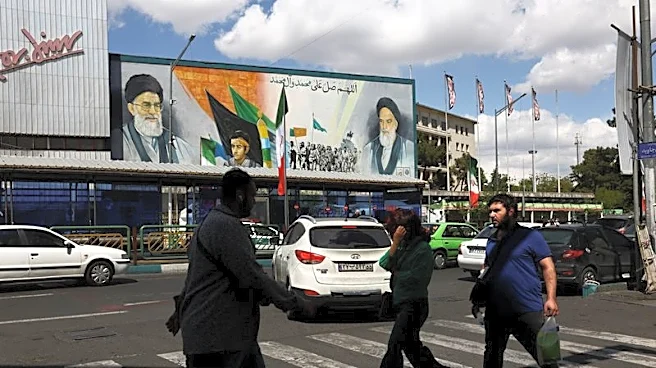
The United States and Iran are set to engage in high-stakes peace talks in Islamabad, Pakistan, amid ongoing tensions and a fragile ceasefire. The talks aim to address critical issues such as Iran's nuclear program, control over the Strait of Hormuz,
and regional influence. Both sides have presented proposals, but significant differences remain, particularly regarding Iran's demands for sanctions relief and recognition of its rights. The outcome of these talks could have far-reaching implications for regional stability and global security.
Why It's Important?
The talks are crucial for determining the future of U.S.-Iran relations and the stability of the Middle East. A successful negotiation could lead to a de-escalation of military tensions and a more stable geopolitical environment. However, failure to reach an agreement could result in renewed hostilities and further destabilization of the region, impacting global economic and security interests. The situation underscores the strategic importance of the Strait of Hormuz and the potential for Iran to leverage its position to extract concessions from the U.S.
What's Next?
The talks in Islamabad are expected to be the first in a series of negotiations aimed at reaching a long-term resolution. Both sides will need to navigate complex issues, including nuclear enrichment, military presence, and regional influence. The international community will be closely monitoring the talks, as their outcome could have far-reaching implications for global security and economic stability.