



What's Happening?
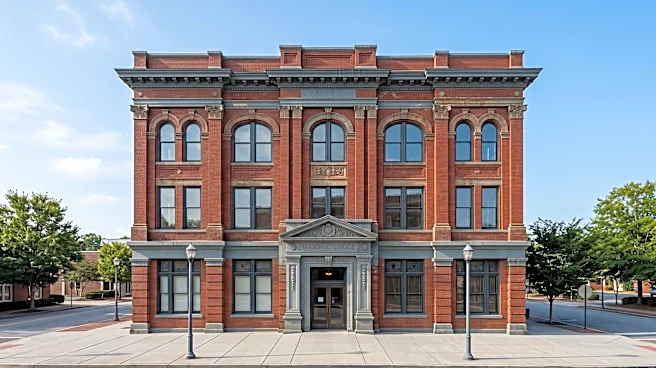
The Roswell City Council has approved a resolution authorizing the Roswell Development Authority to negotiate the redevelopment of the historic Masonic Lodge Building on Alpharetta Street. The goal is to transform the lodge, along with an adjacent city-owned
parcel, into a live music and performing arts venue. This decision, passed with a 5-0 vote, allows the authority to seek a qualified developer or operator for the project. The city acquired the lodge through eminent domain in 2024, settling a dispute over its value for $3.95 million. The current mayor and council are revisiting the property's future after a previous open-air pavilion concept was not implemented. The resolution mandates an independent financial review, a building conditions assessment, and an economic impact analysis, with the city contributing up to $30,000 for these reports. The authority has six months, extendable by the city administrator, to develop a proposed redevelopment framework, which will then require separate approval from the mayor and council.
Why It's Important?
This redevelopment project is significant for Roswell as it aims to revitalize a historic landmark and expand the city's cultural and entertainment offerings. By converting the Masonic Lodge into a public arts space, Roswell seeks to attract more residents and visitors, thereby boosting local businesses and tourism. The economic impact analysis will assess potential benefits such as job creation and increased revenue for the city. The project's focus on preserving the building's historic character while adapting it for modern use demonstrates a commitment to both heritage and urban development. This initiative could serve as a model for other cities looking to repurpose historic structures to enhance community engagement and economic vitality, particularly in downtown areas that benefit from increased foot traffic and cultural attractions.
What's Next?
The Roswell Development Authority will now proceed with evaluating the project's financial and operational feasibility. This includes conducting an independent financial review, assessing the building's condition, and performing an economic impact analysis. The authority will then negotiate a proposed redevelopment framework with potential developers or operators. This framework, which will include a restoration and preservation plan, must be presented to the mayor and council for separate approval. The resolution does not authorize a property transfer or commit the city to a specific developer at this stage. The city anticipates that the project will activate an underutilized property and strengthen connections among downtown destinations, such as Canton Street, Southern Post, the Chambray Hotel, and Hillrose Market.
Beyond the Headlines
The repurposing of the Masonic Lodge highlights a broader trend in urban planning where historic buildings are adaptively reused to meet contemporary community needs. This approach not only preserves architectural heritage but also fosters sustainable development by avoiding new construction and leveraging existing infrastructure. The project's emphasis on a live music and performing arts venue reflects a growing demand for cultural experiences that can draw people to urban centers and create vibrant public spaces. Ethically, the city's use of eminent domain and subsequent settlement underscores the complex balance between public interest and private property rights in urban redevelopment. The long-term success of this project will depend on its ability to integrate seamlessly into the existing downtown fabric, attract diverse audiences, and maintain financial viability while honoring its historical roots.