






What's Happening?
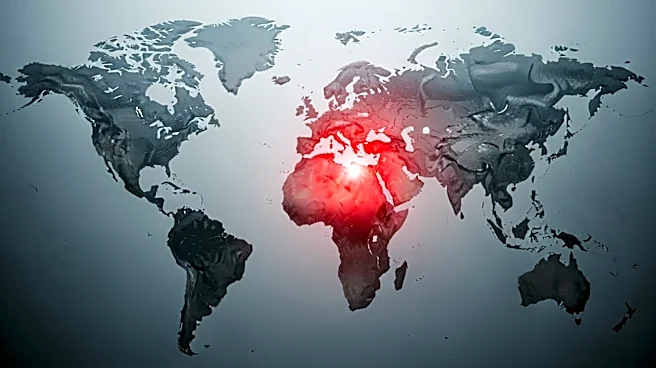
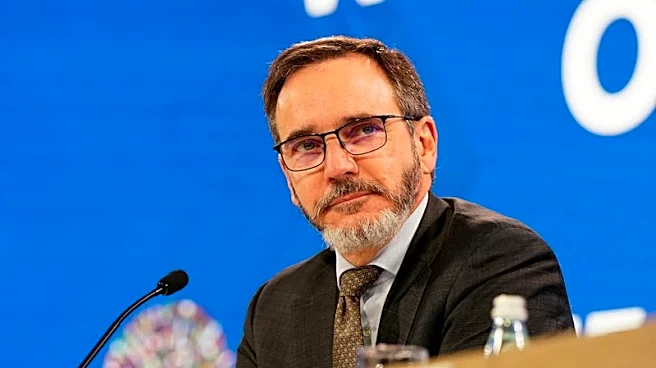
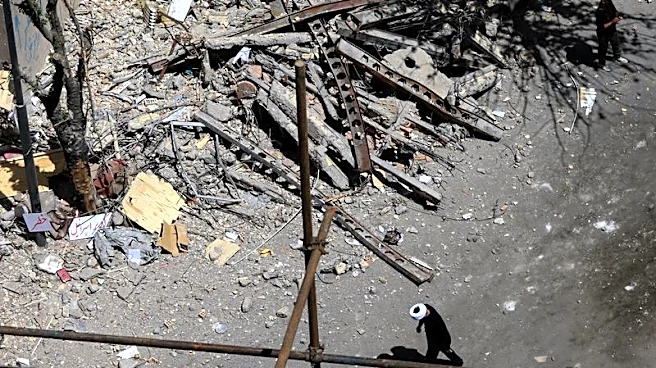
The International Monetary Fund (IMF) has warned that the ongoing war in Iran is expected to slow global economic growth, even if a recently announced ceasefire holds. IMF Managing Director Kristalina Georgieva stated that the conflict has led to a downgrade
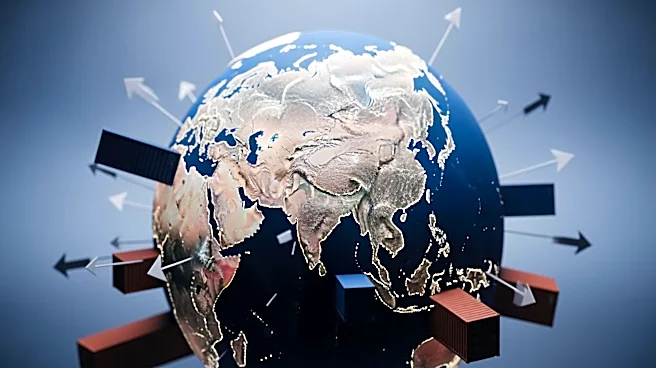
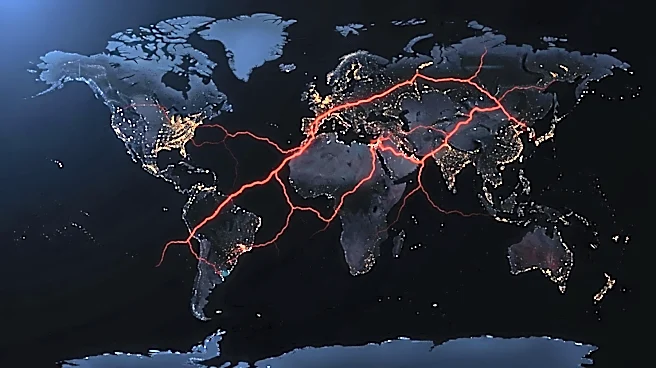
in the global growth forecast, which was previously set to be upgraded. The war has disrupted energy supplies, increased oil and gas prices, and affected global trade, particularly in energy and agriculture sectors. The IMF's revised forecast will be released next week during the IMF-World Bank spring meetings.
Why It's Important?
The conflict in Iran has significant implications for the global economy, affecting energy prices and supply chains. Countries heavily reliant on energy imports, particularly in Sub-Saharan Africa and small island nations, are most vulnerable to these disruptions. The economic slowdown could exacerbate existing financial challenges for many countries, limiting their ability to implement fiscal policies to support growth. The situation underscores the interconnectedness of global economies and the far-reaching impact of regional conflicts on international markets.
What's Next?
As the ceasefire holds, the focus will shift to stabilizing the affected regions and mitigating the economic fallout. Policymakers are urged to avoid protectionist measures that could worsen the situation, such as export restrictions and price controls. The IMF will continue to monitor the situation and provide guidance to member countries on managing the economic impact. The upcoming IMF-World Bank meetings will likely address these challenges and explore coordinated international responses to support global economic stability.
Beyond the Headlines
The Iran conflict highlights the fragility of global economic systems in the face of geopolitical tensions. It raises questions about the resilience of international trade networks and the need for diversified energy sources. The situation also emphasizes the importance of diplomatic efforts in resolving conflicts to prevent economic disruptions. As countries navigate these challenges, there may be increased focus on sustainable energy solutions and international cooperation to enhance economic resilience.