









What's Happening?
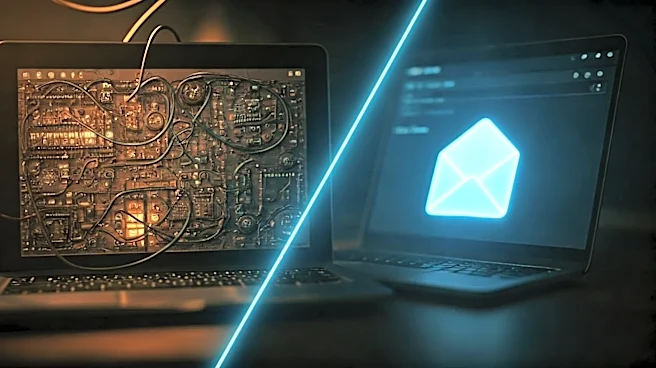
A tech enthusiast has created what is being called the 'world's worst USB drive' by utilizing 1950s magnetic-core memory technology. This device, which can store only 64 bits of information, is a nod to the early days of computing when magnetic-core memory was
prevalent in systems like the ENIAC and Apollo Guidance Computer. The creator, known as polymatt, showcased the device's construction and functionality, highlighting the intricate process of weaving wires through tiny ferrimagnetic rings to store binary data. Despite its limited capacity, the project serves as a fascinating exploration of historical technology.
Why It's Important?
This project underscores the ingenuity and creativity within the tech community, particularly in exploring and reviving historical technologies. While modern storage solutions are vastly superior in capacity and speed, this magnetic-core memory USB drive highlights the evolution of data storage and the foundational technologies that paved the way for today's advancements. It also serves as a reminder of the craftsmanship involved in early computing, which can inspire current and future engineers to appreciate and learn from past innovations. This exploration of retro technology could also spark interest in educational contexts, providing a tangible link to the history of computing.