






What's Happening?
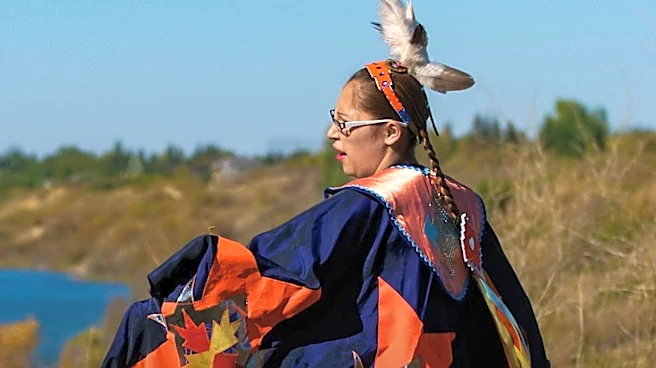
Native American traditions, with their emphasis on a holistic mind-body-spirit connection, are being recognized as a potential source of inspiration for new approaches to wellness. This perspective views health not merely as the absence of illness but
as a comprehensive state of balance across mental, physical, and spiritual dimensions. The integration of such traditional wisdom could lead to more effective and culturally sensitive wellness strategies. This approach contrasts with more fragmented Western medical models by advocating for an interconnected understanding of an individual's well-being. The recognition of these traditions highlights the value of indigenous knowledge systems in contemporary health discussions, suggesting that ancient practices can offer relevant insights for modern wellness challenges. By focusing on the whole person within their environment, Native American traditions provide a framework that could enrich current wellness paradigms and foster a deeper understanding of health.
Why It's Important?
The potential integration of Native American holistic wellness approaches into broader U.S. health and wellness frameworks carries significant importance. It offers a pathway to address health disparities and improve outcomes within American Indian and Alaska Native communities by fostering cultural humility and building trust, which are crucial for positive therapeutic relationships. Beyond these specific communities, this holistic perspective could influence public health policy by promoting a more comprehensive view of well-being that extends beyond physical symptoms to include mental and spiritual health. This shift could lead to the development of more inclusive and effective wellness programs across the nation, benefiting diverse populations. Economically, a healthier, more balanced populace could lead to reduced healthcare costs and increased productivity. Socially, it promotes respect for indigenous cultures and knowledge, contributing to a more equitable and understanding society. The emphasis on prevention and interconnectedness could also inspire innovations in healthcare delivery and personal wellness practices.
What's Next?
The growing recognition of Native American holistic wellness traditions suggests a future where these practices could be increasingly integrated into mainstream wellness discussions and programs. This might involve further research into the efficacy of traditional healing methods, the development of culturally sensitive healthcare training for practitioners, and the creation of wellness initiatives that incorporate indigenous principles. We could see increased collaboration between healthcare institutions and Native American communities to co-create health solutions that are both effective and culturally appropriate. Policy discussions may begin to explore how to support and fund these integrated approaches, potentially leading to new models of care. Furthermore, there could be a broader societal shift towards valuing holistic health, influencing individual choices in diet, exercise, and mental well-being, and encouraging a more balanced lifestyle. This evolution could also lead to a greater appreciation for the diverse cultural heritage of the U.S. and its contributions to health and wellness.
Beyond the Headlines
Beyond the immediate implications for health and wellness, the embrace of Native American holistic traditions touches upon deeper ethical and cultural dimensions. It represents a significant step towards decolonizing wellness practices, acknowledging and valuing indigenous knowledge systems that have historically been marginalized or overlooked. This shift can foster greater cultural respect and understanding, challenging the dominance of Western medical paradigms and promoting a more pluralistic approach to health. Ethically, it underscores the importance of self-determination for Native American communities in defining and managing their own health and wellness. It also highlights the interconnectedness of human health with environmental well-being, as many indigenous traditions emphasize harmony with nature. This broader perspective could inspire long-term shifts in how society views health, moving towards a more sustainable and integrated model that recognizes the profound links between individual well-being, community health, and the health of the planet. It encourages a re-evaluation of what constitutes 'progress' in health, emphasizing balance and sustainability over purely technological or pharmaceutical solutions.