






What's Happening?
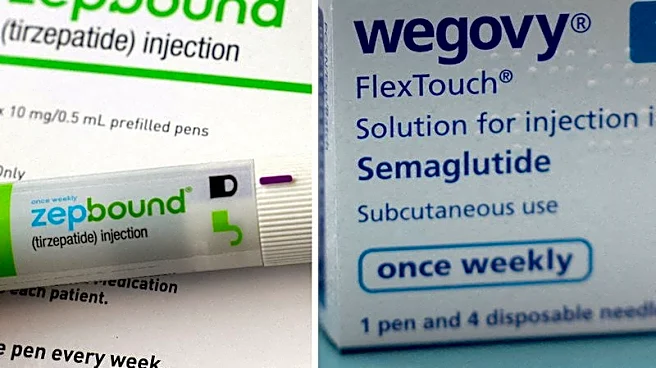
The SELECT trial, published in the New England Journal of Medicine in 2023, demonstrated that semaglutide (the active ingredient in Ozempic and Wegovy) led to a 20% relative reduction in a composite outcome of cardiovascular death, nonfatal heart attack,
and nonfatal stroke. The study involved 17,604 adults with existing cardiovascular disease, a BMI of 27 or higher, and no diabetes, who were followed for an average of 40 months. While this 20% relative reduction is statistically significant, the absolute difference was 1.5 percentage points (6.5% in the semaglutide group vs. 8.0% in the placebo group). However, concerns have been raised regarding muscle loss during weight reduction and significant weight regain upon discontinuation of the drug. The STEP 1 trial indicated that nearly 40% of the weight lost was lean mass, and participants regained approximately two-thirds of their lost weight within a year of stopping semaglutide.
Why It's Important?
The SELECT trial's findings are crucial for individuals with cardiovascular disease and obesity, offering a new therapeutic option to reduce major adverse cardiovascular events. This benefit, however, comes with important considerations. The significant loss of lean muscle mass, as observed in the STEP 1 trial, is a concern, particularly for older adults where muscle mass is vital for longevity, mobility, and glucose disposal. The high rate of weight regain after stopping the medication suggests that GLP-1 drugs may function more as a long-term or lifelong therapy, rather than a temporary solution, as the underlying causes of weight gain are not addressed. This has implications for patient expectations, long-term adherence, and healthcare costs. Patients and clinicians need to weigh the cardiovascular benefits against potential muscle loss and the commitment to long-term use, alongside managing common gastrointestinal side effects.
What's Next?
Discussions around GLP-1 medications like Ozempic will increasingly focus on a holistic approach to patient care. Healthcare providers will need to clearly communicate both the relative and absolute benefits of these drugs, as well as the potential for muscle loss and weight regain upon cessation. Strategies to mitigate muscle loss, such as incorporating strength training and adequate protein intake, will become more critical for patients on these medications. The long-term implications of continuous GLP-1 use, including cost and side effect management, will also be a key area of focus. Further research may explore methods to preserve lean body mass during GLP-1 therapy and investigate the long-term health outcomes of sustained use versus intermittent use. The role of lifestyle interventions alongside medication will also be emphasized to address root causes of obesity and metabolic dysfunction.
Beyond the Headlines
The discussion surrounding Ozempic and similar GLP-1 drugs extends beyond their immediate efficacy and side effects, touching upon broader societal and healthcare paradigms. The emphasis on a 'quick fix' through medication, without addressing fundamental lifestyle factors, raises questions about sustainable health management. The high cost of these drugs, especially if they become lifelong therapies, poses significant economic challenges for individuals and healthcare systems. Furthermore, the phenomenon highlights the ongoing tension between pharmaceutical interventions and lifestyle modifications in managing chronic diseases. It prompts a deeper conversation about the root causes of obesity and cardiovascular disease, advocating for comprehensive approaches that integrate nutrition, physical activity, sleep, and stress management alongside pharmacological treatments. The need for informed consent, where patients understand the full spectrum of benefits, risks, and long-term commitments, becomes paramount.