






What's Happening?
A 78-year-old woman from Shoreline, Washington, identified as Shane, reportedly lost $3 million in a sophisticated gold bar scam. The deception, which lasted approximately five months, began in April when Shane received flashing warnings on her computer
claiming it had been hacked. Callers, posing as fraud department representatives from Chase and Apple, convinced her that her savings were at risk and instructed her to liquidate 95% of her assets to purchase gold bars. She then handed these gold bars to strangers in various locations, including a church parking lot and behind a Verizon store. These couriers presented dollar bills with passwords, and Shane later received fake receipts from what she believed was the Federal Reserve, indicating her gold was being held in an account and earning money. Despite warnings from banks and gold dealers, Shane trusted the scammers, believing she was assisting an investigation to protect her funds. The King County Sheriff's Office is currently investigating the case, noting that gold-bar schemes have led to $4.6 million in reported losses across the county.
Why It's Important?
This incident highlights the increasing sophistication and financial impact of scams targeting vulnerable individuals in the U.S. The reported loss of $3 million by a single individual underscores the severe financial devastation these schemes can inflict, often wiping out a lifetime of savings. The scammers' tactic of impersonating trusted institutions like banks and tech companies, combined with creating a sense of urgency and secrecy, is a common but effective method to bypass victims' critical judgment. The fact that banks and gold dealers attempted to warn Shane, but she remained convinced by the scammers, illustrates the powerful psychological manipulation at play. This case serves as a critical reminder for the public and financial institutions about the need for heightened awareness and proactive measures to combat such fraud. It also emphasizes the importance of community support systems, as Shane only realized she was a victim after confiding in a friend.
What's Next?
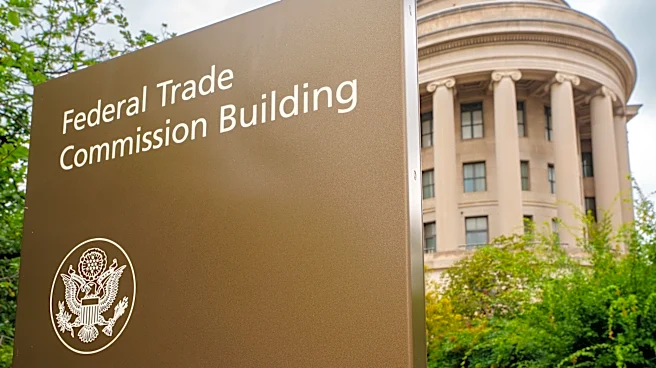
The King County Sheriff's Office is continuing its investigation into Shane's case, which is part of a broader pattern of gold-bar scams in the region. Law enforcement officials, including the Federal Trade Commission and the FBI, are urging the public to be vigilant against similar schemes. They advise individuals not to trust unsolicited computer warnings, to avoid calling numbers displayed in such alerts, and never to deliver cash or precious metals to strangers. Anyone who has already transferred valuables due to such a scam is encouraged to report the incident promptly and preserve all related evidence, including messages, telephone numbers, transaction details, and information about any involved gold dealers or collectors. Shane is sharing her story publicly in hopes of preventing others from falling victim to similar fraudulent activities.
Beyond the Headlines
The prevalence of scams like the one Shane experienced points to a deeper societal challenge related to digital literacy, trust in institutions, and the isolation of elderly individuals. The scammers exploited Shane's trust in authority figures and her fear of financial loss, demonstrating how psychological manipulation can override rational decision-making, even when external warnings are present. This case also raises questions about the responsibility of financial institutions and tech companies in preventing such fraud, particularly in identifying unusual transaction patterns or suspicious online activity. The emotional and psychological toll on victims, beyond the financial loss, is significant, often leading to feelings of shame and betrayal. Addressing this issue requires a multi-faceted approach, including public education campaigns, improved fraud detection mechanisms, and stronger support networks for potential victims, especially among the elderly population who are frequently targeted.