




What's Happening?
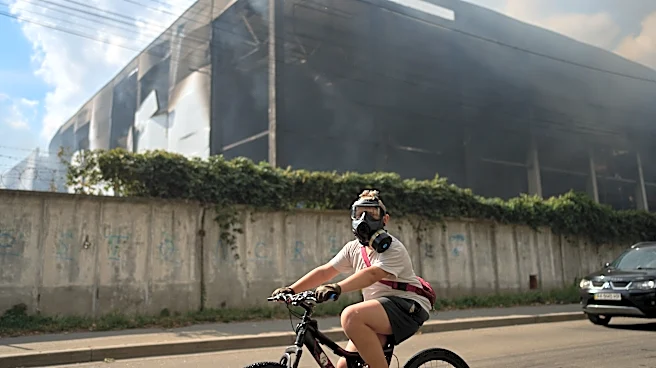
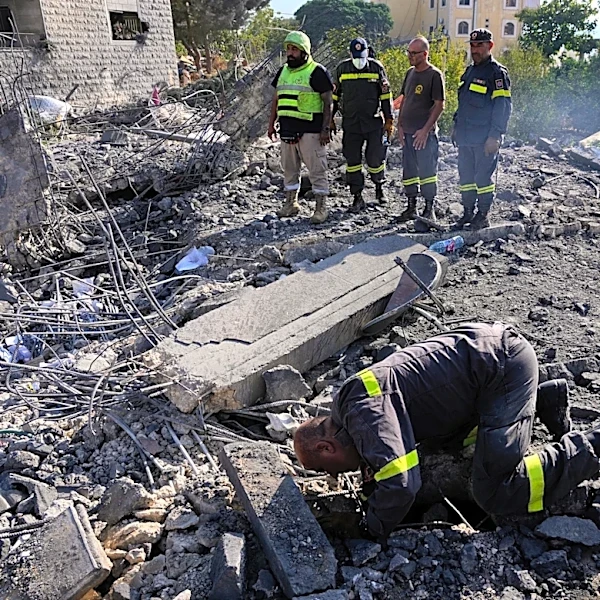
Slovakia has summoned the Russian ambassador to provide an explanation after a Russian drone strike hit the Security Service of Ukraine (SBU) building in Kyiv, located adjacent to the consular section of the Slovak Embassy. Juraj Blanár, Slovakia’s Minister
of Foreign and European Affairs, announced Bratislava’s strong condemnation of the attack and its decision to demand clarification from the Russian side. Although no one was present in the consular section at the time of the strike and no Slovak diplomats were injured, the proximity of the attack prompted an official diplomatic response. The Slovak Ministry of Foreign Affairs also called on Russia to cease actions that endanger civilians and urged both sides to avoid further escalation of the conflict. This diplomatic move is considered unusual for Slovakia, which has not always issued such strong statements regarding Russian actions in Ukraine.
Why It's Important?
This incident highlights the inherent dangers faced by diplomatic missions operating in conflict zones and underscores the broader implications of military actions on international relations. The summoning of an ambassador is a significant diplomatic gesture, signaling serious disapproval and demanding accountability. For Slovakia, it represents a firm stance against actions that directly threaten its diplomatic presence and personnel, even if indirectly. This event could influence other nations' assessments of the security environment in Kyiv and potentially lead to increased calls for de-escalation and adherence to international norms regarding the protection of diplomatic facilities. It also demonstrates how localized military actions can trigger broader diplomatic repercussions, affecting bilateral relations and international perceptions of the conflict.
What's Next?
The Russian ambassador will be required to provide an explanation to the Slovak authorities regarding the drone strike. The nature of Moscow's response remains to be seen, but it will likely be scrutinized by other European nations. Slovakia's Ministry of Foreign Affairs will continue to monitor the security situation in Kyiv, and its diplomatic mission may maintain limited operations for security reasons. This incident could also prompt discussions within the European Union and NATO regarding the safety of diplomatic personnel in Ukraine and potential collective responses to such threats. The call for both sides to avoid further escalation suggests a desire for de-escalation, but the immediate impact on the conflict's trajectory is uncertain. The event serves as a reminder of the ongoing risks to civilian infrastructure and international presence in Ukraine.
Beyond the Headlines
The Slovak response, while specific to the threat to its embassy, also reflects the delicate balance many European nations maintain in their foreign policy regarding the conflict in Ukraine. Slovakia's decision to summon the ambassador, despite its generally more cautious stance compared to some other EU members, indicates a threshold was crossed when its diplomatic interests were directly implicated. This incident could subtly shift the internal political discourse within Slovakia regarding its engagement with the conflict. Furthermore, it underscores the broader legal and ethical dimensions of warfare, particularly concerning the protection of diplomatic premises under international law. The event serves as a stark reminder of the unpredictable nature of urban warfare and the constant threat to non-combatants and international representatives, pushing the boundaries of diplomatic immunity and safety in conflict zones.