






What's Happening?
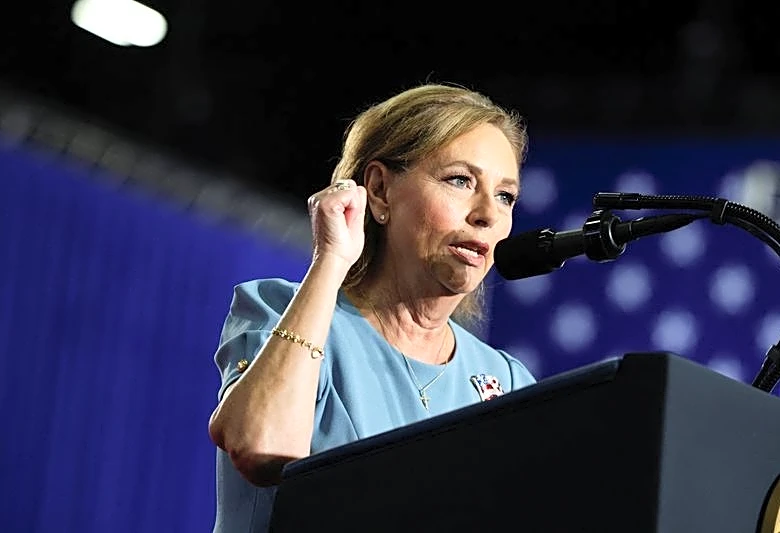
Representative Katherine M. Clark recently disclosed $198.5K in new fundraising, as detailed in a Pre-Primary FEC disclosure filed on August 20th, 2026. This fundraising figure ranks as the 212th highest among all Pre-Primary reports observed this year,
with 42.8% of the contributions originating from individual donors. Concurrently, Clark reported $432.3K in spending, placing her 210th in spending among Pre-Primary reports. At the close of the filing period, she maintained $2.0M in cash on hand, which is the 150th highest amount among all Pre-Primary reports. Quiver Quantitative estimates Representative Clark's net worth at $14.9M as of August 23rd, 2026, positioning her as the 88th wealthiest member of Congress. Approximately $7.5M of her assets are invested in publicly traded securities. She has also proposed several key bills, including the CCAMPIS Reauthorization Act (H.R.5458), the Child Care Infrastructure Act (H.R.3274), and the Child Care Workforce Development Act (H.R.3273).
Why It's Important?
The financial disclosures of Representative Katherine M. Clark offer a transparent look into the funding dynamics of a sitting U.S. Representative, highlighting the significant role of individual donors in political campaigns. Her substantial cash on hand, $2.0M, indicates a strong financial position for future political endeavors or re-election campaigns, which can influence her legislative effectiveness and ability to advocate for her proposed bills. The estimated net worth of $14.9M, with a considerable portion in publicly traded assets, underscores the financial standing of some members of Congress and raises questions about potential conflicts of interest, though no specific conflicts are indicated in the source. Her legislative proposals, particularly those focused on child care infrastructure and workforce development, address critical social and economic issues in the U.S., reflecting her policy priorities and potential impact on national welfare programs and economic stability for working families.
What's Next?
Representative Clark's continued fundraising efforts and legislative proposals will likely shape her political agenda and influence policy discussions in Congress. The bills she has introduced, such as the CCAMPIS Reauthorization Act, the Child Care Infrastructure Act, and the Child Care Workforce Development Act, will proceed through the legislative process, potentially undergoing committee reviews, debates, and votes. The progress of these bills could have direct implications for child care access, affordability, and the stability of the child care workforce across the nation. Her financial standing and ongoing campaign activities will be closely watched as the next election cycle approaches, influencing her capacity to maintain her seat and advance her policy objectives. Future financial disclosures will provide further insights into her campaign's trajectory and the sources of her support.
Beyond the Headlines
The financial transparency provided by FEC disclosures and net worth estimations, while crucial for accountability, also highlights broader discussions about wealth in politics and its potential influence on policy-making. The significant investment in publicly traded assets by Representative Clark, and other members of Congress, often sparks debate regarding the ethics of stock trading by elected officials and the potential for insider trading, even if no wrongdoing is implied in this specific case. The focus of her proposed legislation on child care issues points to a growing national recognition of the economic and social importance of robust child care systems. These bills, if enacted, could represent a significant shift in federal support for families and early childhood education, addressing long-standing challenges related to workforce participation and economic equity. The interplay between personal wealth, campaign finance, and legislative priorities remains a complex and evolving aspect of U.S. politics.