



What's Happening?
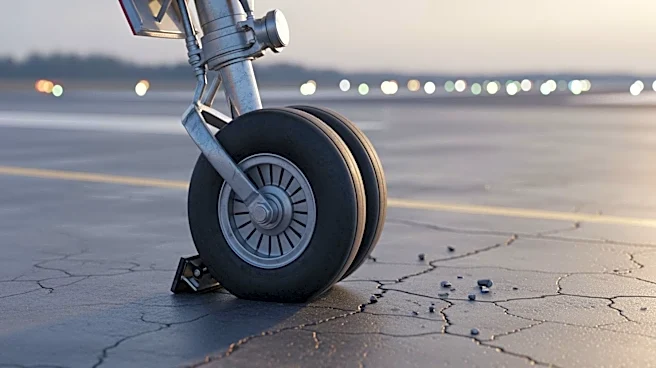
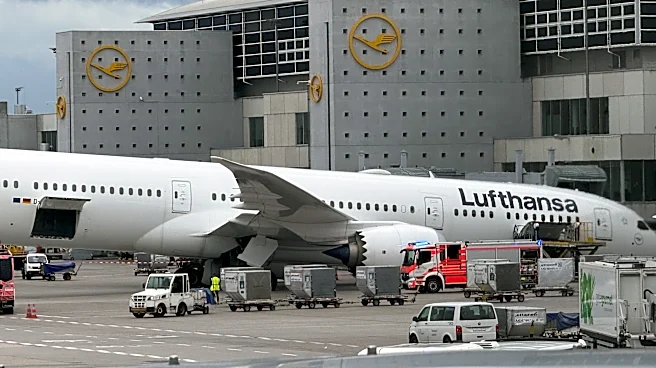
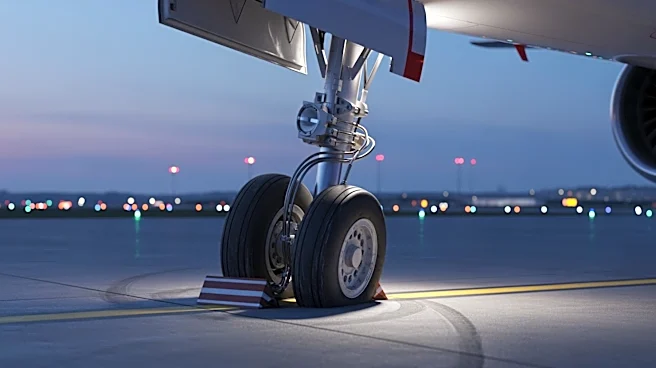
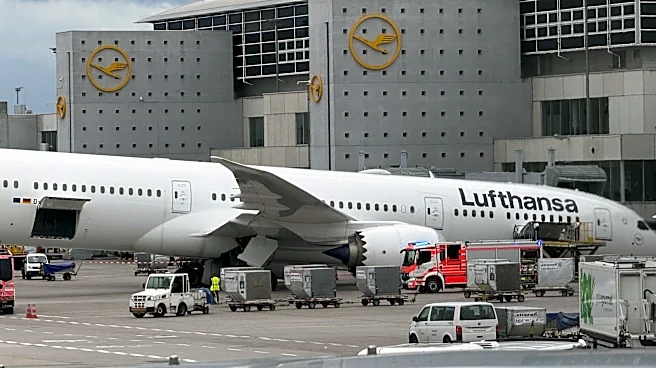
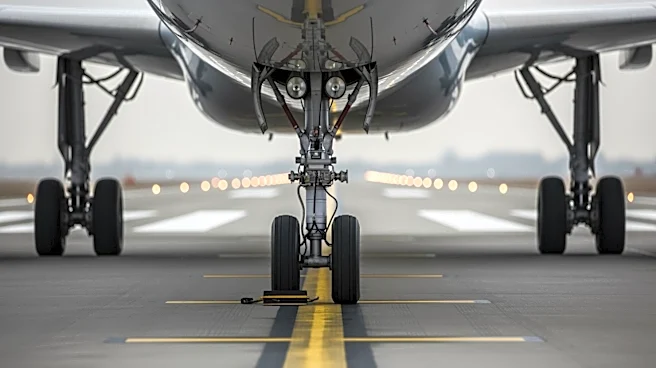
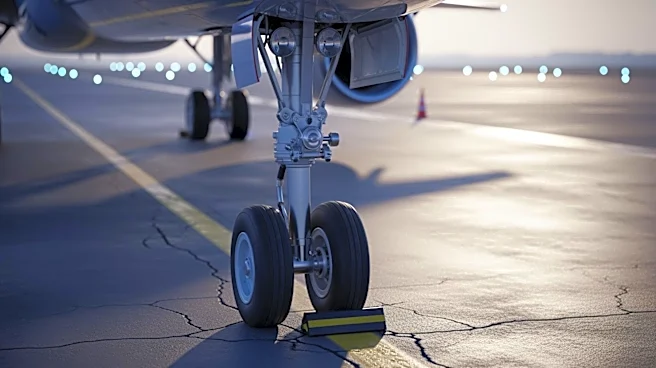
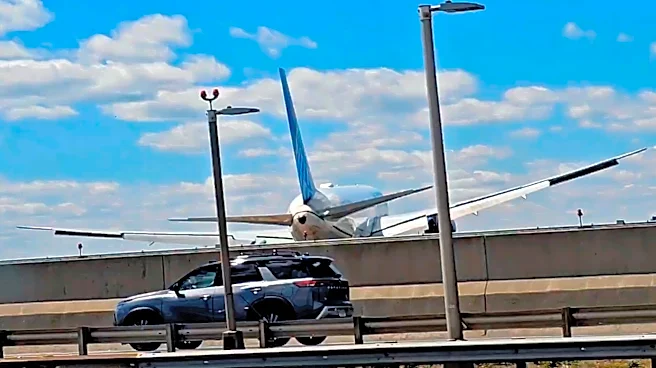
On June 4, 2026, a Lufthansa Boeing 787-9 Dreamliner experienced a nose gear collapse while parked at a gate at Frankfurt Airport. The incident occurred as the aircraft was being prepared for a flight to Los Angeles. According to Lufthansa, no passengers
were on board at the time, but several crew members and ground staff were present. The collapse resulted in minor injuries to two Lufthansa cabin crew members and other employees from service providers, who were subsequently taken to a hospital for medical treatment. The airline has stated that they are investigating the exact circumstances of the incident in collaboration with relevant authorities. The flight was canceled, and passengers were reaccommodated on other flights.
Why It's Important?
This incident highlights potential safety concerns related to aircraft maintenance and operational procedures. The unexpected collapse of the nose gear on a relatively new aircraft model raises questions about the reliability of the Boeing 787-9 Dreamliner, which is a key component of Lufthansa's fleet modernization strategy. The event could have implications for the airline's operational safety protocols and may prompt a review of maintenance practices. Additionally, the incident could affect passenger confidence in the safety of air travel, particularly on newer aircraft models. The broader aviation industry may also face scrutiny regarding the safety and reliability of aircraft components, potentially leading to increased regulatory oversight.
What's Next?
Lufthansa is currently conducting an investigation into the incident, working closely with aviation authorities to determine the cause of the nose gear collapse. The findings of this investigation could lead to changes in maintenance procedures or operational guidelines for the Boeing 787-9 Dreamliner. Depending on the outcome, there may be implications for other airlines operating similar aircraft, potentially leading to industry-wide safety reviews. Boeing, as the manufacturer, may also be involved in the investigation and could face pressure to address any identified issues with the aircraft model. The incident may prompt regulatory bodies to issue new safety directives or advisories.