





What's Happening?
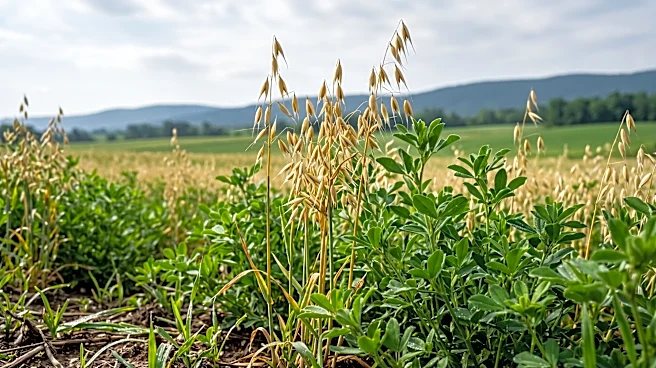
A new study suggests that intercropping, the practice of growing two or more crops together, can significantly improve the quality and quantity of livestock feed while simultaneously reducing environmental impact. Scientists from Nottingham Trent University,
the International Centre for Agricultural Research in the Dry Areas (ICARDA) in Ethiopia, and Ethiopia’s Jimma University investigated the benefits of growing oats and alfalfa together without irrigation or fertilizer. Their research found that a 1:1 ratio of oats and alfalfa intercrop produced 21% more dry matter than oats grown alone. This intercrop also offered a more balanced nutritional profile, with higher crude protein and metabolizable energy, and reduced neutral detergent fiber, which is beneficial for animal nutrition. Post-harvest soil analysis revealed an increase in organic carbon, total nitrogen, available phosphorus, and cation exchange capacity in areas where the 1:1 intercrop was grown. The study predicts that this intercropping method could reduce greenhouse gas emissions per unit of potential livestock weight gain by 37-47% for both hay and silage, compared to growing either crop alone.
Why It's Important?
This research is important because it offers a practical and sustainable solution to two critical challenges in agriculture: improving livestock feed quality and reducing greenhouse gas emissions. Livestock agriculture is a significant contributor to global emissions, and finding effective ways to mitigate this impact is crucial for climate change efforts. By improving feed quality, intercropping can lead to more efficient animal growth, which in turn can reduce the overall environmental footprint per unit of production. The observed improvements in soil fertility, including increased organic carbon and nitrogen, are vital for long-term agricultural sustainability, reducing the need for synthetic fertilizers and enhancing soil health. This approach could provide farmers with a cost-effective method to enhance productivity while simultaneously contributing to environmental conservation. The findings demonstrate that sustainable agricultural practices can yield both economic and ecological benefits, offering a pathway towards more environmentally sound livestock production systems.
What's Next?
The findings suggest that further research and implementation of intercropping practices, particularly with oats and alfalfa, could be a key strategy for sustainable agriculture. The next steps would likely involve broader field trials to validate these results across different climates and soil types, as well as efforts to educate farmers on the benefits and practical application of intercropping. Policymakers and agricultural organizations could consider promoting and incentivizing such practices to encourage widespread adoption. This could include offering subsidies for farmers who implement intercropping or integrating these methods into national agricultural sustainability programs. Additionally, research into other beneficial intercropping combinations and their specific impacts on various livestock systems could expand the scope of these sustainable practices. The goal would be to integrate these findings into mainstream agricultural practices to achieve significant reductions in greenhouse gas emissions and enhance soil health on a larger scale.
Beyond the Headlines
Beyond the immediate agricultural benefits, the success of intercropping highlights a broader shift towards ecological farming principles. This approach moves away from monoculture, which often depletes soil nutrients and requires extensive chemical inputs, towards systems that mimic natural ecosystems. The improvement in soil fertility through intercropping underscores the interconnectedness of plant and soil health, demonstrating how sustainable practices can regenerate natural resources. This research also contributes to the growing body of evidence supporting agroecology as a viable and necessary alternative to industrial agriculture. The ethical implications include promoting animal welfare through improved nutrition and reducing the environmental burden of food production. Culturally, it could lead to a renewed appreciation for traditional farming methods that emphasize diversity and ecological balance. Long-term, widespread adoption of intercropping could contribute to greater food security, climate resilience, and a healthier planet by fostering more regenerative agricultural landscapes.