






What's Happening?
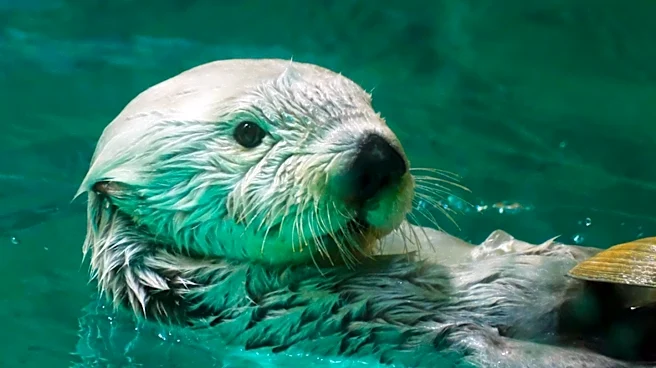
A North American river otter has been observed in the Bronx River, marking the first documented sighting in the Bronx section of the river in approximately 100 years, according to the Wildlife Conservation Society’s Bronx Zoo. The sighting was captured
by a motion-activated camera operated by local scientist RJ Hawkins, with monitoring overseen by the WCS’s education department. Historically, river otters were prevalent in New York’s waterways but were driven out due to pollution, habitat degradation, and unregulated trapping. Officials are interpreting this event as significant evidence of the Bronx River’s recovery, following decades of dedicated restoration efforts. The river was once considered one of the most neglected urban rivers in the country due to severe pollution. While researchers caution that a single observation does not confirm a resident population, it strongly indicates the river's increasing capacity to support native wildlife that has been absent for generations.
Why It's Important?
This sighting is a crucial indicator of the success of long-term environmental restoration initiatives in urban areas. The return of a sensitive species like the river otter signifies a substantial improvement in water quality and habitat health within the Bronx River, which was once heavily polluted. This ecological recovery has broader implications for urban planning and environmental policy, demonstrating that sustained conservation efforts can reverse decades of environmental damage. It highlights the importance of community involvement and scientific monitoring in achieving such outcomes. For the local ecosystem, the presence of river otters can contribute to biodiversity and ecological balance. Economically, a healthier river can enhance property values, support recreational activities, and potentially attract eco-tourism, benefiting local communities. This event serves as a powerful case study for other urban centers grappling with environmental degradation, offering hope and a model for successful ecological revitalization.
What's Next?
Following this significant sighting, the Wildlife Conservation Society and the Bronx River Alliance will likely intensify their monitoring efforts to determine if the river otter is an isolated visitor or part of a re-establishing population. This could involve deploying more cameras, conducting surveys, and analyzing water quality parameters more frequently. The success of these restoration efforts may encourage increased funding and support for similar environmental projects in other urban waterways across the U.S. Local communities and environmental groups are expected to continue their advocacy for the Bronx River, potentially leading to new initiatives aimed at further enhancing habitat and biodiversity. Public awareness campaigns might also be launched to educate residents about the river's recovery and the importance of protecting its wildlife, fostering a greater sense of stewardship among the local population. The long-term goal will be to ensure the sustained health of the river and the return of more native species.
Beyond the Headlines
The return of the river otter to the Bronx River carries profound cultural and ethical implications. It symbolizes resilience and the potential for nature to reclaim spaces even in highly urbanized environments, offering a powerful narrative of hope and renewal. Ethically, it underscores humanity's responsibility to mitigate environmental damage and actively work towards ecological restoration. The story challenges the perception that urban rivers are irrevocably lost to pollution, demonstrating that dedicated human intervention can lead to significant ecological recovery. Culturally, the otter's return can foster a deeper connection between urban residents and their natural surroundings, potentially inspiring a new generation of environmentalists and conservationists. It also highlights the intrinsic value of biodiversity and the importance of preserving natural heritage, even in the heart of a major city. This event serves as a testament to the enduring power of collective action in environmental stewardship.