






What's Happening?
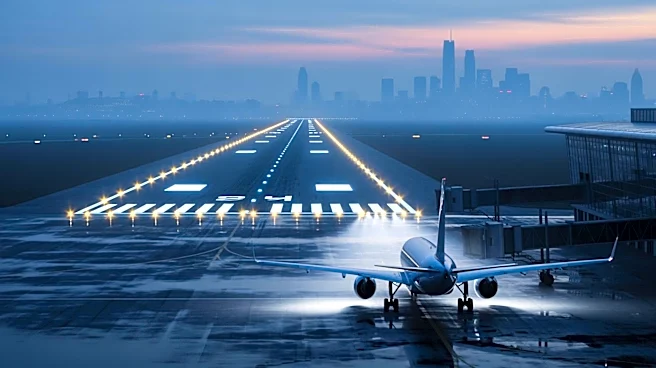
The Trump administration is reportedly considering a proposal to withdraw U.S. Customs and Border Protection officers from airports in sanctuary cities, including Seattle. This move could disrupt international travel at Seattle-Tacoma International Airport,
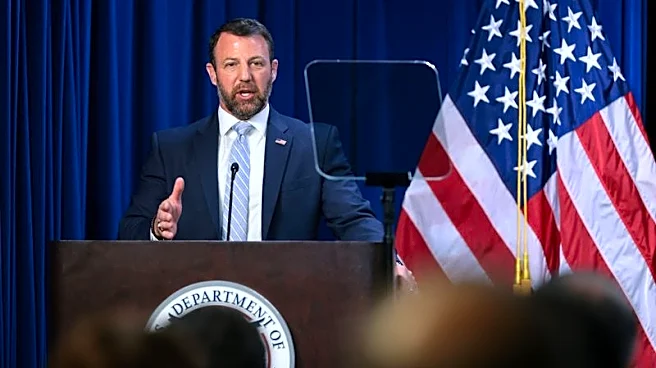
especially as the city prepares to host six FIFA World Cup matches next month. Homeland Security Secretary Markwayne Mullin indicated that the administration is contemplating stopping customs and immigration processing at airports in cities that do not cooperate with federal immigration enforcement efforts. Seattle, identified as a sanctuary jurisdiction by the Justice Department, could face significant operational disruptions if the proposal is enacted. The U.S. Travel Association and Airlines for America have expressed concerns, warning that such actions would have devastating consequences for the travel industry and communities reliant on international visitation.
Why It's Important?
The potential withdrawal of customs officers from airports in sanctuary cities could severely impact the travel and tourism industries, particularly in Seattle, which is expecting 750,000 visitors for the World Cup. The proposal could lead to significant operational disruptions, affecting carriers, travelers, and the flow of international cargo. The move also highlights ongoing tensions between federal immigration policies and local jurisdictions that have adopted sanctuary policies. If implemented, this could set a precedent for federal actions against cities that do not align with national immigration enforcement strategies, potentially leading to broader political and economic ramifications.
What's Next?
Seattle officials and law enforcement agencies have been preparing for the World Cup for years, planning to deploy over 450 police officers and more than 200 King County sheriff's deputies during the event. The administration's proposal is still in the planning stages, and no changes have been implemented yet. Transportation Secretary Sean Duffy has voiced opposition to restricting travel based on political disagreements, suggesting that air travel should not be shut down due to differing political views. The situation remains fluid, with potential for further developments as the administration finalizes its plans.