






What's Happening?
As the United States approaches its 250th anniversary of independence, a significant portion of the population expresses reluctance to celebrate, reflecting deep political divisions. A Reuters/Ipsos poll reveals that one in five Americans will not mark
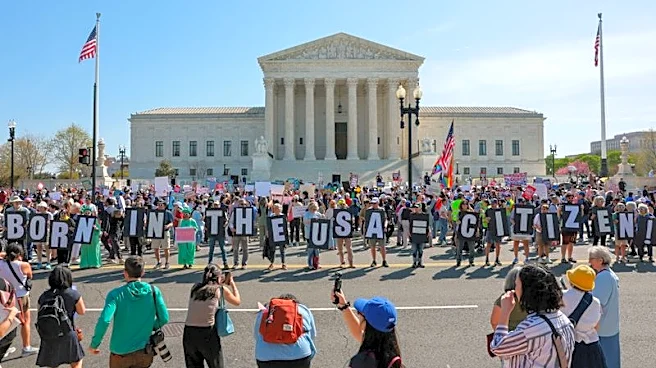
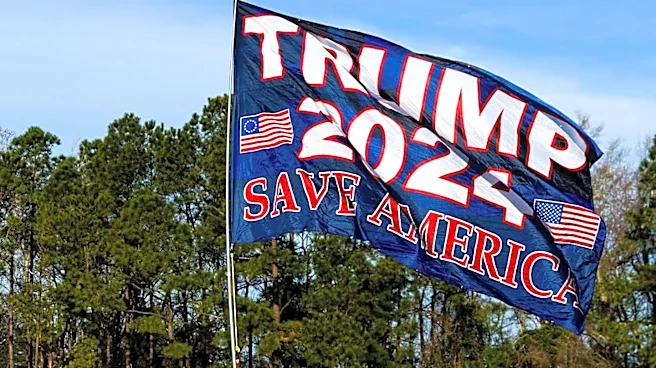
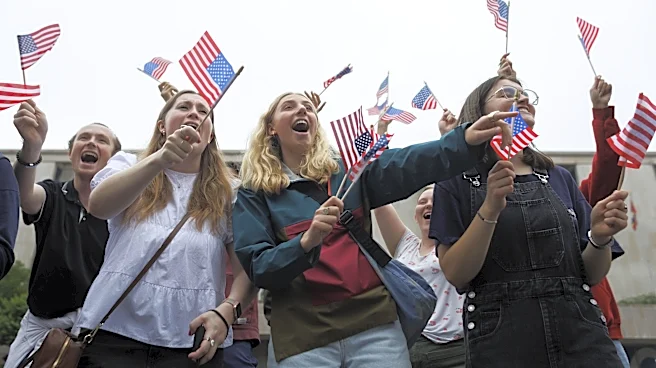
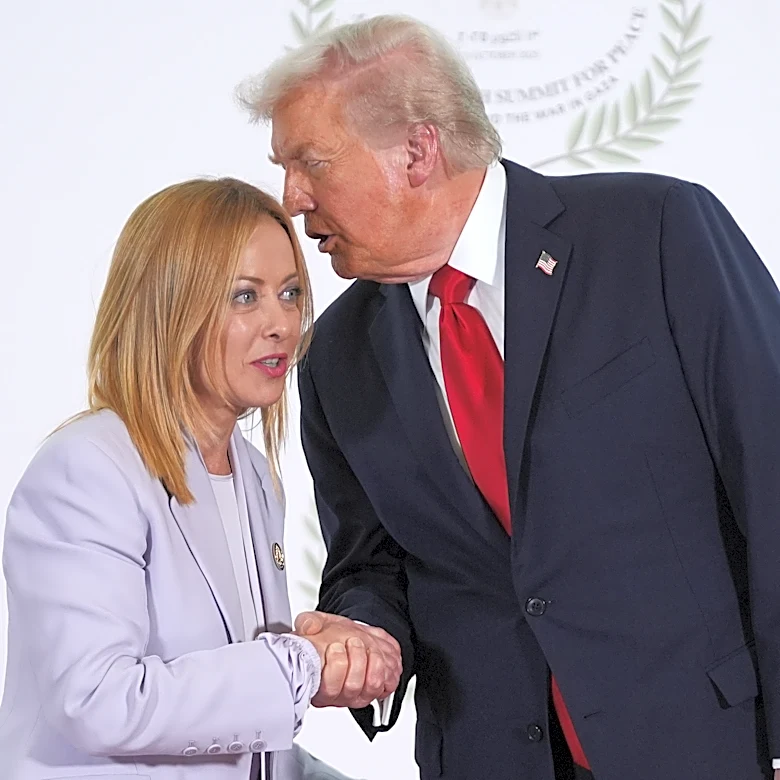
Independence Day this year, including a quarter of Democrats and 8% of Republicans. Furthermore, two in five respondents doubt the nation's ability to endure for another 250 years. This sentiment is palpable across the country, with individuals like Betsy Halsey, a retired teacher from Pennsylvania, expressing disinterest in celebrating due to political discontent. In contrast, others like Dan Marrazzo, a Republican and business owner, are eager to celebrate, viewing the current administration positively. The upcoming semiquincentennial, traditionally a unifying event, is now overshadowed by political divisions, with President Trump playing a central role in the official commemoration.
Why It's Important?
The reluctance to celebrate Independence Day highlights the deep political and cultural divisions within the United States. This division is significant as it reflects broader societal issues, including differing views on the current administration's policies and the nation's future. The poll results suggest a growing pessimism about the country's direction, which could impact national unity and civic engagement. The political climate, marked by President Trump's polarizing policies, has turned a traditionally nonpartisan celebration into a contentious event. This division could influence future political discourse and voter behavior, particularly in swing states like Pennsylvania, where these sentiments are pronounced.
What's Next?
As the semiquincentennial approaches, organizers of July 4 events face the challenge of navigating these political divisions. Some states and musical acts have already declined to participate in national celebrations, citing concerns over politicization. The issuance of a commemorative coin bearing President Trump's likeness further complicates the situation. Local event organizers must balance celebrating the nation's history with addressing the concerns of residents who feel alienated by the current political climate. The outcome of these celebrations could set a precedent for how future national events are conducted in a politically divided America.
Beyond the Headlines
The current political climate raises questions about the role of national celebrations in fostering unity. Historians note that previous milestone anniversaries also occurred during tumultuous periods, suggesting that the current divisions may eventually lead to significant societal changes. The challenge lies in finding common ground and ensuring that national events remain inclusive. The situation in Bucks County, Pennsylvania, serves as a microcosm of the broader national divide, highlighting the need for dialogue and understanding across political lines. The way these celebrations are handled could influence public perception and the nation's ability to address its internal challenges.