



What's Happening?
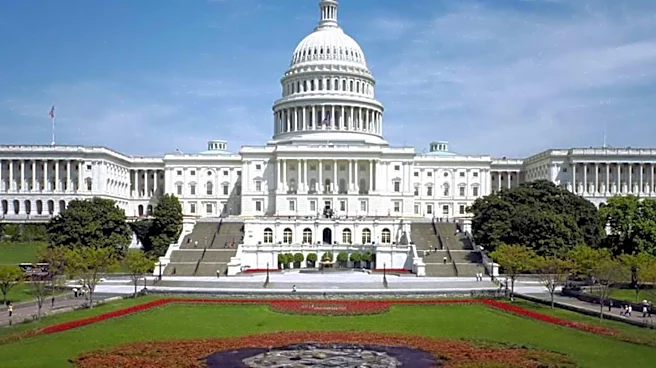
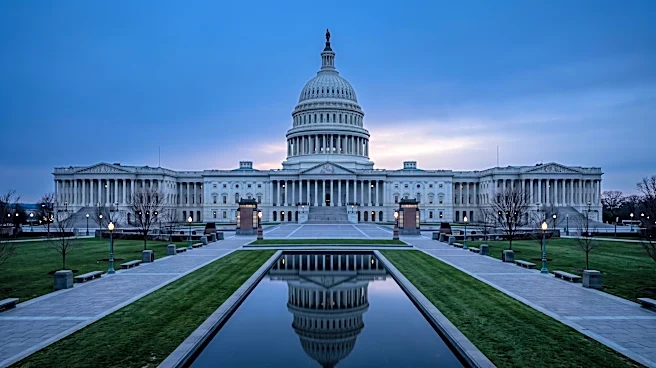
Palestinian Americans recently conducted a day of advocacy at the United States Capitol, coinciding with reports of the Trump administration's approval of a $2.8 billion military aid package to Israel. The event, organized by Americans for Justice in Palestine
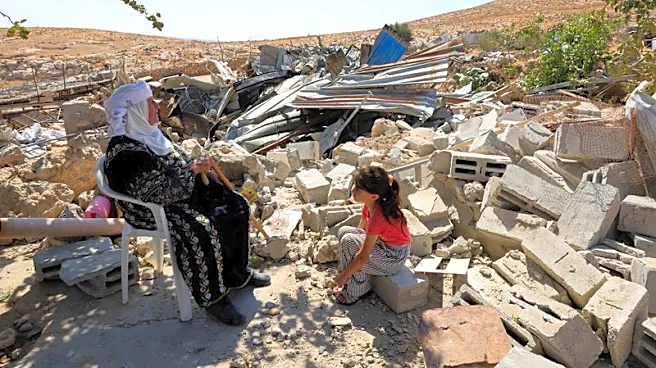
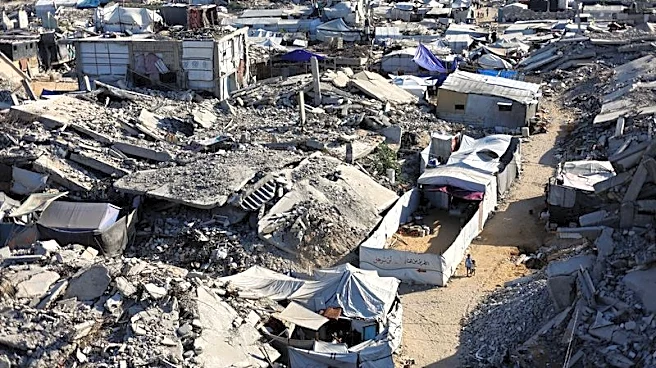
Action (AJP Action), saw over 300 constituents from 26 states meet with more than 100 U.S. lawmakers' offices. Their advocacy focused on legislative initiatives concerning Israel's war in Gaza, escalating Israeli settler violence in the occupied West Bank, and efforts to use immigration law to suppress Palestinian advocacy in the U.S. The proposed military package reportedly includes 20,000 907kg (2,000-pound) MK-84 bombs and 20,000 BLU-117s, munitions known for causing widespread civilian devastation. Several Democratic lawmakers have expressed intentions to block this transfer, with the ranking member of the House Foreign Affairs Committee, Gregory Meeks, reportedly slowing congressional clearance. Advocates also highlighted concerns about the Trump administration's use of immigration law to target pro-Palestine advocates, citing cases like Salah Sarsour, president of the Islamic Society of Milwaukee, who was detained by ICE and faces deportation proceedings, and Leqaa Kordia, who was detained for 368 days following pro-Palestine protests.
Why It's Important?
This advocacy effort underscores a significant and evolving shift in U.S. domestic politics regarding the Israeli-Palestinian conflict. The substantial military aid package to Israel, particularly at a time of heightened conflict and civilian casualties, is drawing increased scrutiny and opposition from a growing segment of the American public and some lawmakers. The mobilization of Palestinian American communities on Capitol Hill signals a more organized and vocal demand for changes in U.S. foreign policy, challenging decades of bipartisan support for unconditional aid to Israel. The reported internal divisions within both Democratic and Republican parties on this issue, as indicated by increasing votes to block arms transfers and polls showing support for conditioning aid, suggest a potential realignment of political stances. Furthermore, the focus on immigration law as a tool to suppress advocacy raises concerns about civil liberties and freedom of speech within the U.S., linking domestic policy to international conflicts. This confluence of factors indicates that U.S. policy towards Israel and Palestine is becoming a more contentious and electorally relevant issue, potentially influencing future elections and legislative priorities.
What's Next?
The immediate future will likely see continued legislative efforts by some Democratic lawmakers to block or condition the proposed $2.8 billion military aid package to Israel. The advocacy groups, including AJP Action, are expected to maintain pressure on Congress and the Trump administration, leveraging public opinion and constituent engagement. The debate over U.S. military aid to Israel is likely to intensify, especially as the 2026 midterm elections approach, potentially forcing more politicians to articulate clear positions on the issue. Furthermore, legal challenges and advocacy against the use of immigration law to target pro-Palestine activists are anticipated to continue. The broader implications include a potential re-evaluation of U.S. foreign policy in the Middle East, with increasing calls for a more balanced approach that considers Palestinian rights and the humanitarian situation. The growing political engagement of Palestinian American communities suggests that their concerns will play a more prominent role in future U.S. political discourse and policy debates.
Beyond the Headlines
Beyond the immediate policy debates, this situation reveals deeper tensions within American society regarding identity, foreign policy, and human rights. The increasing visibility and political organization of Palestinian Americans challenge traditional narratives and lobbying efforts that have historically shaped U.S. policy in the Middle East. This movement is part of a broader trend where diaspora communities are actively influencing U.S. foreign policy, reflecting a more diverse and interconnected political landscape. The discussion also touches on the ethical dimensions of military aid, particularly when it involves weapons used in conflicts with significant civilian impact. The alleged use of immigration law to stifle dissent raises fundamental questions about democratic values and the protection of advocacy in the U.S. This evolving dynamic could lead to a more nuanced and contested foreign policy approach, moving away from a monolithic view of U.S. interests in the region and towards one that grapples with complex moral and political considerations. The long-term impact could be a significant shift in how the U.S. balances its alliances with its stated values and human rights commitments.