




What's Happening?
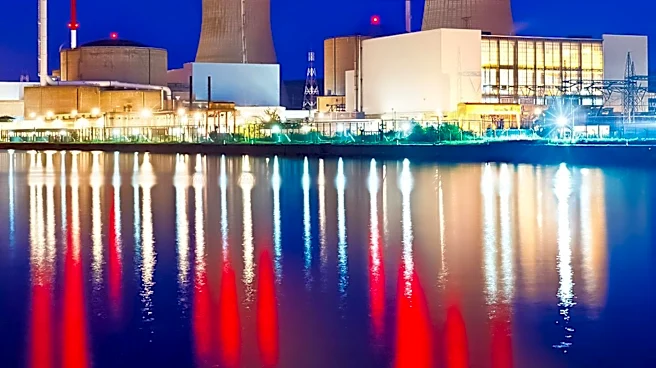
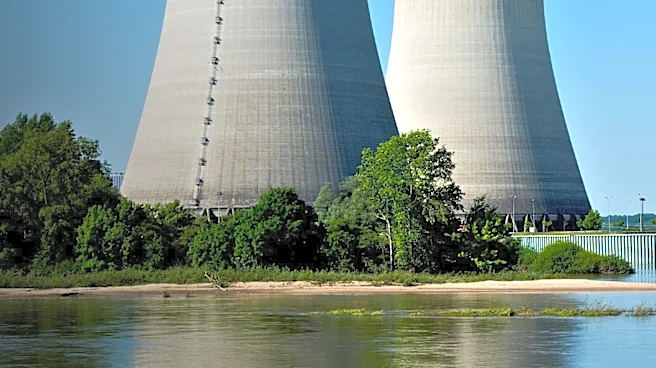
Nuclear power plants across Europe are facing operational challenges due to extreme heat and low water levels in rivers, which are essential for cooling reactors. In France, a significant reduction in nuclear power output has been observed during heatwaves,
with capacity temporarily limited by up to nine gigawatts. This reduction affects not only France's electricity supply but also its ability to export power to neighboring countries. The situation highlights the vulnerability of nuclear power plants to climate conditions, as they rely heavily on water for cooling.
Why It's Important?
The impact of extreme heat on nuclear power plants underscores the broader challenges of climate change on energy infrastructure. As temperatures rise, the reliability of nuclear power as a stable energy source is called into question, potentially affecting energy security and market stability. The situation in France, a major nuclear power producer, has implications for the European electricity market, influencing prices and supply dynamics. This highlights the need for adaptive strategies to ensure the resilience of energy systems in the face of climate change.
What's Next?
European countries may need to invest in infrastructure improvements, such as additional cooling towers and deeper water intake structures, to mitigate the impact of heat on nuclear power plants. Regulatory adjustments and increased monitoring of environmental conditions may also be necessary to balance energy production with ecological protection. The ongoing challenges could prompt a reevaluation of energy strategies, emphasizing the need for diversification and innovation in energy sources.