







What's Happening?
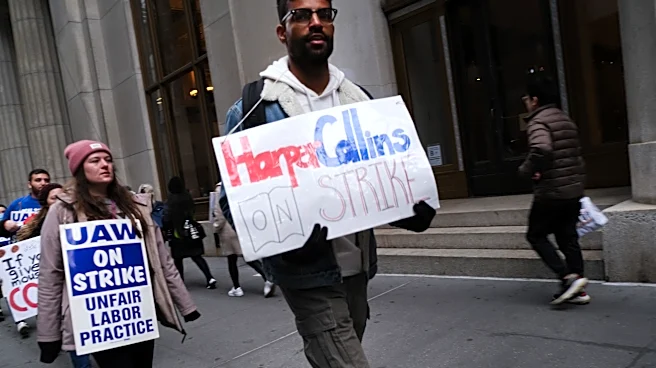
Members of UAW Local 405 have initiated an unfair labor practice strike against Triumph Engine Control Systems in West Hartford, Connecticut, following the expiration of their contract on October 31. The strike, which began on November 2, involves approximately
175 skilled manufacturing, machining, assembly, and technical workers in the aerospace industry. The union alleges that Triumph committed multiple unfair labor practices and failed to present a fair economic proposal. A key point of contention is the company's refusal to agree to standard successorship language, which would require any future buyer to recognize the union and its contract. Triumph, acquired last year by private equity firms Warburg Pincus and Berkshire Partners for around $3 billion, has indicated its intent to sell the business again. UAW Region 9A Director Brandon Mancilla emphasized the workers' commitment, stating, 'Wall Street didn’t build this plant, and they won’t be here to run it in five years. Our members will.' The union also highlights significant increases in healthcare costs for members and wages below aerospace industry standards.
Why It's Important?
This strike at Triumph Engine Control Systems underscores a growing tension between private equity ownership and labor rights in the U.S. manufacturing sector. The refusal to include successorship language in the contract poses an existential threat to the union local, as it could allow a new owner to disregard existing labor agreements and potentially dismantle the union. This situation is critical for U.S. labor, particularly in industries with significant private equity investment, as it sets a precedent for how workers' rights and job security are handled during ownership transitions. For the aerospace industry, disruptions in production from skilled labor strikes can have ripple effects on supply chains and defense contracts. The involvement of private equity firms like Warburg Pincus and Berkshire Partners highlights the financialization of manufacturing and the potential for short-term profit motives to clash with long-term worker stability and community well-being. The outcome of this strike could influence future negotiations and legislative efforts regarding private equity accountability and worker protections.
What's Next?
UAW Local 405 members are continuing their strike, with strong solidarity from the Connecticut AFL-CIO, community supporters, and local political figures. The union has expressed willingness to negotiate but insists on addressing core issues such as job security, successorship, cost-of-living adjustments, aerospace sector standard wages, and healthcare costs. The company's stance on selling the business without successorship language suggests a prolonged dispute unless a compromise is reached. The strike's duration will likely impact Triumph's production capabilities and financial performance. The situation may also draw increased attention from state and federal labor authorities, potentially leading to mediation or further legal action. The broader implications could include increased scrutiny of private equity practices in labor relations and calls for stronger legislative protections for workers during corporate acquisitions and sales.
Beyond the Headlines
The conflict at Triumph Engine Control Systems reflects a deeper societal debate about the role of private equity in the U.S. economy and its impact on the working class. Private equity firms often acquire companies with the goal of increasing profitability, sometimes through cost-cutting measures that can include reducing labor costs, benefits, or divesting assets. The UAW's fight for successorship language is not just about this contract; it's about protecting the long-term viability of unionized jobs and ensuring that workers are not treated as disposable assets in corporate transactions. This strike highlights the ethical dilemma of prioritizing shareholder value over employee welfare and community stability. It also brings to light the disparity in compensation, with the CEO of Triumph earning substantial figures while workers struggle with rising healthcare costs and stagnant wages. The outcome could influence public perception of private equity and potentially fuel broader movements for corporate accountability and worker empowerment.