






What's Happening?
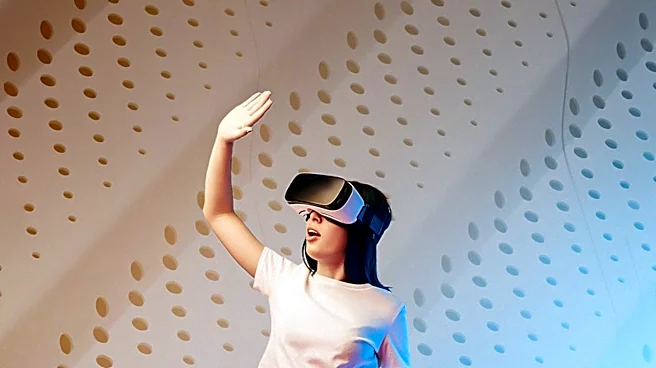
Avantis Education has launched two new immersive learning libraries, EscapeRooms and LingoLab, for its Eduverse+ platform. EscapeRooms is a math suite designed for K-8 students, featuring five themed virtual reality (VR) experiences where students solve
puzzles and answer rapid-fire questions to escape a themed room. These challenges are available in eight languages and can be adapted for various age groups, with durations of two, four, and eight minutes. LingoLab is a language learning suite for students in grades 6-12, offering over 60 immersive experiences in Spanish and English. These experiences utilize 360-degree videos and 3D models, aligning with ACTFL proficiency guidelines, WIDA English Language Development standards, CEFR, and the Oxford 3000. Both new libraries are available to existing Eduverse+ customers at no additional cost.
Why It's Important?
This initiative is significant for the U.S. education system as it expands access to innovative virtual reality learning tools for K-12 students. The integration of VR into math and language arts curricula offers a dynamic and engaging alternative to traditional teaching methods, potentially improving student engagement and comprehension. For math, EscapeRooms provides a gamified approach to mastering complex concepts, which can be particularly beneficial for students who struggle with conventional instruction. LingoLab's immersive language experiences can enhance vocabulary acquisition, pronunciation, and cultural understanding, addressing the growing need for multilingual proficiency in the U.S. workforce. By making these resources available to existing customers, Avantis Education is lowering the barrier to entry for schools to adopt advanced educational technologies, fostering a more interactive and effective learning environment across the country.
What's Next?
The introduction of these new VR learning experiences suggests a continued trend towards integrating advanced technology into K-12 education. Avantis Education will likely monitor the adoption and effectiveness of EscapeRooms and LingoLab, gathering feedback from educators and students to inform future developments. This could lead to further expansion of the Eduverse+ library with more subjects and diverse immersive content. Other educational technology providers may follow suit, increasing competition and innovation in the VR education market. Schools and districts across the U.S. might also begin to invest more heavily in VR hardware and software, recognizing the potential benefits for student learning outcomes. The success of these programs could influence educational policy and funding decisions, encouraging broader implementation of immersive learning technologies in classrooms nationwide.
Beyond the Headlines
Beyond the immediate educational benefits, the widespread adoption of VR in classrooms has deeper implications for digital literacy and future workforce readiness. By engaging with VR technology from a young age, students develop critical digital skills that are increasingly essential in a technology-driven world. This exposure can also spark interest in STEM fields, particularly in areas like virtual reality development, game design, and artificial intelligence. Furthermore, immersive learning environments can cater to diverse learning styles, providing a more inclusive educational experience for all students. The ability to virtually explore complex concepts and practice language skills in simulated real-world scenarios could bridge educational gaps and prepare students for a globalized society, ultimately shaping the next generation of U.S. innovators and professionals.