



What's Happening?
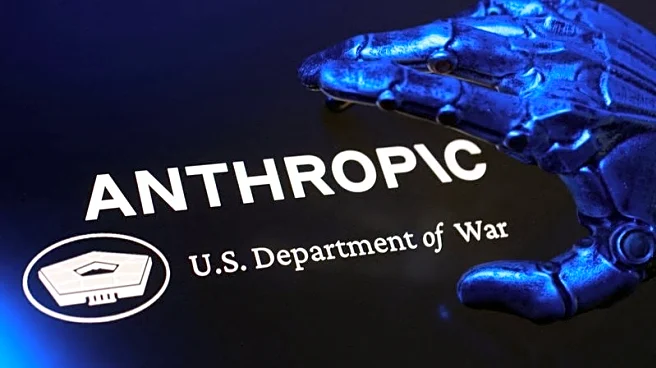
The Pentagon has labeled AI company Anthropic as a 'supply-chain risk' to national security, a move that has been criticized as legally dubious by experts. This designation, announced by Defense Secretary Pete Hegseth, prohibits any company working with
the U.S. military from engaging in commercial activities with Anthropic. The decision follows a failure to reach an agreement on AI safety standards between Anthropic and the Department of Defense. The Pentagon's stance is that private companies dictating terms of use could pose risks during military operations. However, legal experts argue that the designation lacks a solid legal basis and could lead to costly lawsuits. Anthropic, which relies on cloud services from companies like Amazon Web Services, could face significant operational challenges if the designation is enforced.
Why It's Important?
The Pentagon's decision could have far-reaching implications for the AI industry and its relationship with the U.S. government. If upheld, the designation could disrupt Anthropic's operations, as it depends on major cloud providers for its services. This move also raises concerns about the legal framework governing supply-chain risks and the potential for ideological motivations to influence national security decisions. The situation highlights the tension between technological innovation and regulatory oversight, with potential impacts on how AI companies engage with government contracts. The legal challenges anticipated from this designation could set precedents affecting future interactions between tech firms and the military.
What's Next?
Anthropic has indicated its intention to challenge the Pentagon's designation in court, although specific legal actions have not been detailed. The outcome of this legal battle could influence the Pentagon's future dealings with tech companies and shape the regulatory landscape for AI technologies. Defense contractors may also face legal risks if they comply with the Pentagon's directive, potentially leading to a complex web of litigation. The situation underscores the need for clear legal standards and transparent decision-making processes in matters involving national security and technological innovation.
Beyond the Headlines
This development reflects broader philosophical disagreements over the use of AI in military contexts. Anthropic's stance against using its models for autonomous weapons and mass surveillance contrasts with the Pentagon's operational needs. The case could influence public discourse on ethical AI use and the balance between innovation and security. It also raises questions about the role of ideology in shaping national security policies and the potential chilling effect on tech companies considering government partnerships.