



What's Happening?
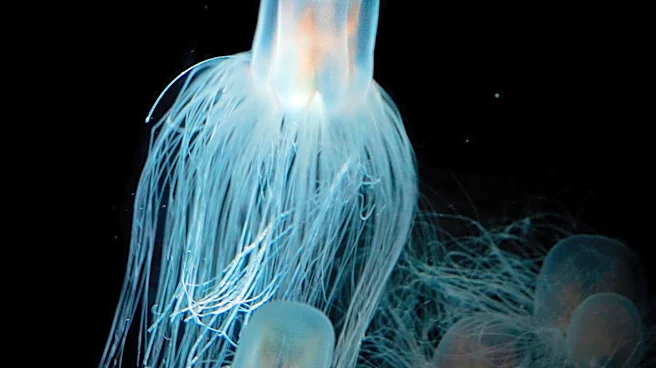
Box jellyfish, known for their potent venom, continue to pose a threat even after death. These marine creatures, found in the Indo-Pacific region, have tentacles lined with stinging cells that can cause cardiac arrest in humans within minutes. The danger
persists as their nematocysts can still fire when touched, even if the jellyfish is dead. This characteristic makes them one of the deadliest animals in the ocean. Other animals, like pufferfish and cone snails, also retain their lethal properties post-mortem. Pufferfish contain tetrodotoxin, a neurotoxin that remains potent after death, while cone snails have venomous harpoons capable of delivering fatal stings even when deceased.
Why It's Important?
The persistence of these animals' lethal capabilities highlights the ongoing risks they pose to humans, particularly in coastal and marine environments. Understanding these dangers is crucial for public safety, especially for those engaging in activities like swimming, fishing, or beachcombing in affected areas. The study of these toxins also holds potential benefits for medical research, as scientists explore their applications in developing new treatments for pain and neurological disorders. This dual nature of danger and opportunity underscores the complex relationship between humans and the natural world, emphasizing the need for awareness and respect for these powerful biological mechanisms.