







What's Happening?
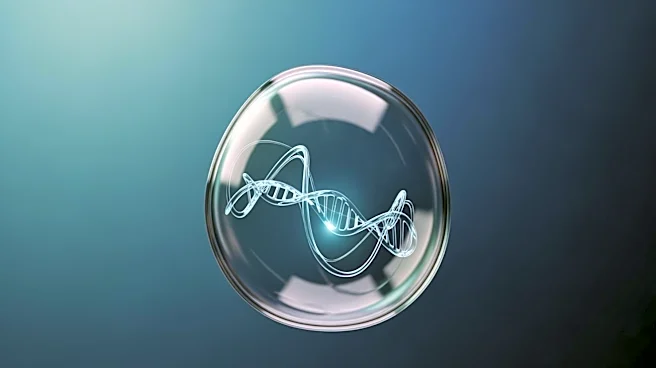
Researchers at the University of Ottawa have made significant strides in the field of gene therapy by utilizing small extracellular vesicles (sEVs) to deliver RNA and other molecules to specific tissues in the body. This innovative approach, led by Dr.
Derrick Gibbings, leverages the natural targeting abilities of sEVs, which are tiny, bubble-like structures that carry genetic material between cells. The research team discovered that the origin of these vesicles determines their destination within the body, allowing for precise delivery of therapeutic agents. This method has shown promise in targeting hard-to-reach organs such as the brain and kidneys, potentially revolutionizing the treatment of diseases that require gene-silencing therapies.
Why It's Important?
The development of this targeted delivery system for gene therapies could have profound implications for the treatment of various diseases, particularly those affecting the brain and kidneys. By improving the precision and efficacy of RNA-based treatments, this approach could lead to more effective therapies with fewer side effects. The ability to deliver treatments directly to affected tissues could enhance the management of chronic conditions and reduce the need for invasive procedures. Furthermore, this advancement may attract investment and collaboration opportunities, accelerating the transition from research to clinical application and potentially benefiting a large patient population with unmet medical needs.
What's Next?
The research team is seeking partners to advance this technology into clinical trials, focusing initially on severe kidney diseases with limited treatment options. The scalability of producing sEVs and the longevity of siRNA treatments in the body remain challenges that need to be addressed. However, the researchers are optimistic about overcoming these hurdles and are actively looking for industry partners or academic collaborators to bring these therapies to patients. The success of these trials could pave the way for broader applications of this delivery system in treating other complex diseases.
Beyond the Headlines
This breakthrough highlights the potential of using naturally occurring biological mechanisms for therapeutic purposes, offering a more refined approach to drug delivery. The research underscores the importance of understanding cellular communication and its implications for medical science. As the field of gene therapy continues to evolve, the ethical considerations surrounding genetic manipulation and the long-term effects of such treatments will need to be carefully evaluated. This development also raises questions about the accessibility and affordability of advanced therapies, which could impact healthcare equity.