






What's Happening?
U.S. Representative Morgan Griffith, a Republican from Virginia, has introduced a bill, H.R.9724, aimed at ending automatic citizenship for individuals born in U.S. territories such as Puerto Rico, Guam, the Virgin Islands, and the Northern Mariana Islands.
The bill proposes that, starting January 1, 2027, citizenship would only be granted to those born in these territories if at least one parent is a U.S. citizen or a legal permanent resident. This legislative move follows a recent Supreme Court decision that blocked President Trump's attempt to restrict birthright citizenship. The bill is expected to face significant legal challenges and has already sparked strong opposition from Democratic lawmakers and Puerto Rican representatives, who argue that it undermines the citizenship rights of those born in U.S. territories.
Why It's Important?
The proposed legislation by Representative Griffith could have profound implications for the citizenship status of individuals born in U.S. territories. If passed, it would alter the longstanding practice of granting automatic citizenship, potentially affecting thousands of people. This move is part of a broader debate on immigration and citizenship policies in the United States, reflecting ongoing tensions over birthright citizenship. The bill's introduction has already triggered a political backlash, with critics arguing that it treats residents of U.S. territories as second-class citizens and could lead to legal battles over constitutional rights. The outcome of this legislative effort could set a precedent for how citizenship is defined and granted in the U.S., impacting immigration policy and the lives of many individuals in these territories.
What's Next?
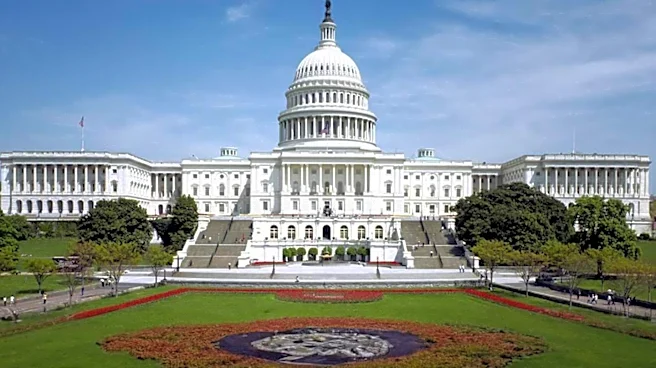
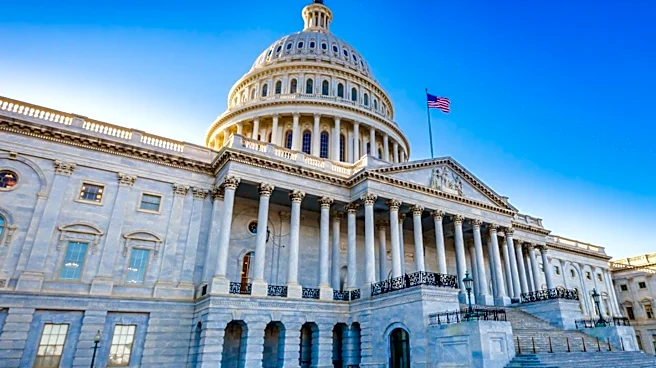
The bill is currently in its initial stages in Congress and will need to pass both the House of Representatives and the Senate to become law. Given the contentious nature of the issue, it is likely to face significant opposition and debate. If approved, the bill could be subject to judicial review, as it challenges established interpretations of citizenship rights under the 14th Amendment. Stakeholders, including political leaders, civil rights organizations, and residents of U.S. territories, are expected to engage in advocacy and legal actions to influence the bill's outcome. The legislative process will be closely watched as it unfolds, with potential implications for future immigration and citizenship policies in the United States.