







What's Happening?
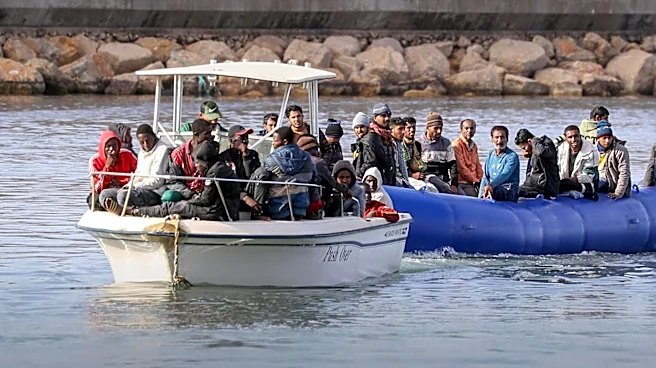
A U.S. deportation flight originating from Texas recently arrived in Guatemala City, carrying both Guatemalan and Mexican nationals. The New York Post reported on this event, highlighting the ongoing operations by U.S. authorities to deport individuals
across borders. This particular flight underscores the practice of transporting not only citizens of the destination country but also third-country nationals, such as those from Mexico, into Central American nations. The process involves coordination between U.S. immigration enforcement and the governments of the receiving countries to facilitate the return of these individuals.
Why It's Important?
This deportation flight is important as it illustrates the complex and often controversial nature of U.S. immigration enforcement policies. The deportation of third-country nationals to countries like Guatemala, rather than their country of origin, raises questions about international agreements, humanitarian concerns, and the logistical challenges involved. Critics often argue that such practices can place individuals in vulnerable situations, far from their homes and support networks. For the U.S., these operations are part of broader efforts to manage border security and enforce immigration laws. For Central American nations, receiving these deportees can strain resources and present reintegration challenges, impacting local economies and social services.
What's Next?
U.S. deportation flights are expected to continue as part of ongoing immigration enforcement efforts. The U.S. government will likely maintain its agreements with Central American countries for the reception of deportees, including third-country nationals. Advocacy groups and human rights organizations will likely continue to monitor these operations, raising concerns about due process and the welfare of individuals being deported. Discussions between the U.S. and Central American governments regarding immigration policies, border security, and humanitarian aid are also expected to persist, as both sides seek to manage migration flows and address the root causes of irregular migration.
Beyond the Headlines
Beyond the immediate act of deportation, this event touches upon the broader geopolitical dynamics of migration in the Western Hemisphere. The U.S. policy of deporting third-country nationals to Central American countries reflects an attempt to externalize border enforcement and deter future migration. However, this approach often overlooks the complex reasons why individuals leave their home countries, including economic hardship, violence, and political instability. It also highlights the ethical dilemmas associated with international migration management, particularly regarding the responsibility of states towards individuals seeking asylum or refuge. The long-term implications include potential destabilization in receiving countries and a perpetuation of the cycle of migration, rather than addressing its fundamental drivers.