





What's Happening?
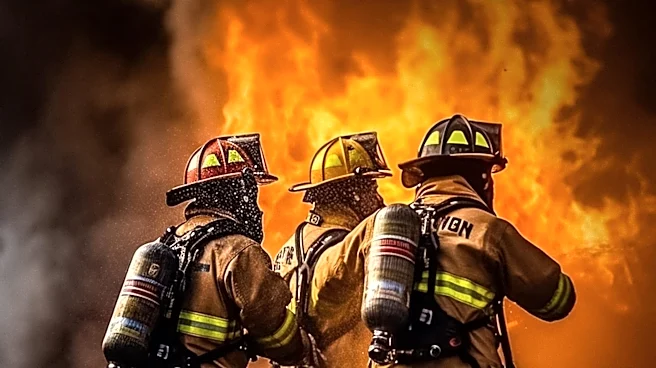
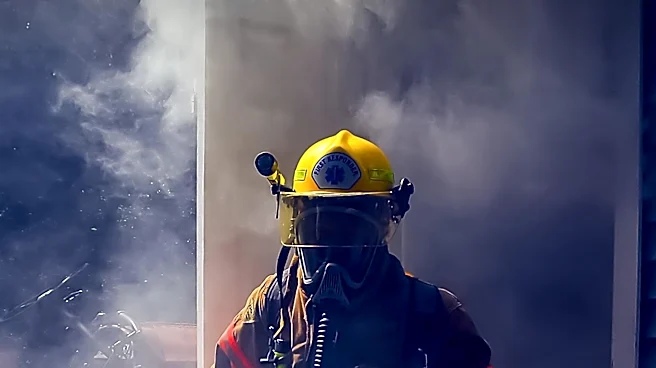
Firefighters are exposed to numerous toxic chemicals and hazards in their line of duty, leading to a significantly increased risk of cancer and other health issues. The International Agency for Research on Cancer classifies firefighting as a carcinogenic
occupation. A long-term study by the National Institute of Occupational Health revealed that firefighters have a 9% higher risk of cancer diagnosis and a 14% higher risk of cancer-related death compared to the general U.S. population. They also exhibit higher rates of respiratory, oral, and digestive cancers. To mitigate these risks and support long-term health, systematic tracking of firefighter exposures is crucial. This includes documenting incident details, types of hazardous materials encountered, duration of exposure, physical symptoms, and the use of protective equipment. Digital reporting systems are becoming increasingly important for maintaining comprehensive and accessible exposure records, replacing traditional paper-based methods that are prone to loss or damage. The National Emergency Response Information System (NERIS) is replacing the National Fire Incident Reporting System (NFIRS) to provide a more advanced, cloud-based platform for capturing all hazards and connecting incident data with geospatial and community risk information, which can enhance exposure tracking.
Why It's Important?
The elevated health risks faced by firefighters, particularly cancer, have significant implications for public health, occupational safety, and healthcare systems across the U.S. The increased incidence of cancer among firefighters places a substantial burden on individuals, their families, and the healthcare infrastructure, often leading to high medical costs and long-term care needs. Effective exposure tracking is vital for several reasons: it enables early identification of health risks, facilitates timely medical interventions, and supports the development of preventative strategies. For individual firefighters, detailed exposure records can be critical in substantiating insurance and healthcare claims, especially in states where presumptive laws linking firefighting to certain diseases exist. On a broader scale, collecting and analyzing this data through registries like the National Firefighter Registry (NFR) helps researchers establish clearer links between occupational exposures and health outcomes, informing policy changes, improving safety standards, and enhancing protective equipment. This data is essential for advocating for better support and resources for first responders, ensuring their well-being after years of service.
What's Next?
The ongoing transition from NFIRS to NERIS represents a significant step forward in how fire departments collect and manage incident and exposure data. As NERIS becomes more widely adopted, it is expected to provide fire departments with more robust tools for real-time data access and simplified documentation processes, which will directly improve the effectiveness of exposure tracking. Fire departments will need to invest in training their personnel on the new system and ensure seamless integration with their existing records management software. Furthermore, there will likely be a continued push for firefighters to voluntarily share their exposure records with the National Firefighter Registry for Cancer, which will enhance the national dataset for research into cancer risks. Legislative efforts may also continue to expand presumptive laws, making it easier for firefighters to receive benefits for job-related illnesses. The focus will remain on developing unified record systems that integrate training, exposure reports, and wellness documentation to provide a holistic view of firefighter health and readiness, ultimately leading to more proactive health management and support.
Beyond the Headlines
The issue of firefighter health extends beyond immediate medical concerns, touching upon ethical responsibilities, long-term societal costs, and the evolving nature of occupational safety. Ethically, society has a responsibility to protect those who protect communities, which includes providing comprehensive health monitoring and support for firefighters. The long-term implications of chronic exposure to carcinogens highlight the need for continuous innovation in protective gear and decontamination protocols, as well as a deeper understanding of the chemical compositions encountered in modern fires. Culturally, there is a growing recognition of the sacrifices made by firefighters, leading to increased advocacy for their health and well-being. This includes addressing not only physical health but also mental health challenges such as PTSD, which can arise from traumatic incidents. The data collected through exposure tracking systems can also inform urban planning and building codes, promoting the use of less toxic materials in construction to reduce the hazards firefighters face. Ultimately, the systematic tracking of exposures is a critical component of a broader strategy to ensure the sustainability and safety of the firefighting profession, reflecting a societal commitment to its first responders.