



What's Happening?
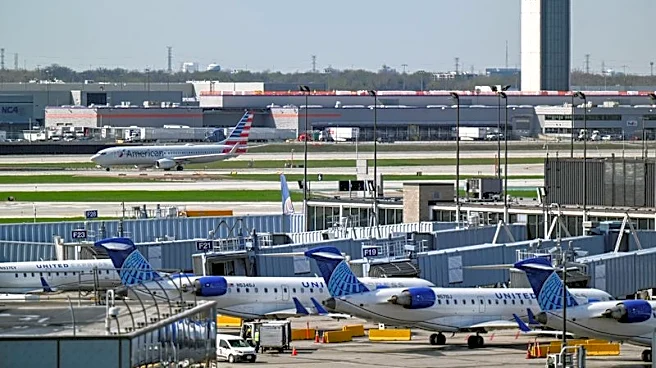
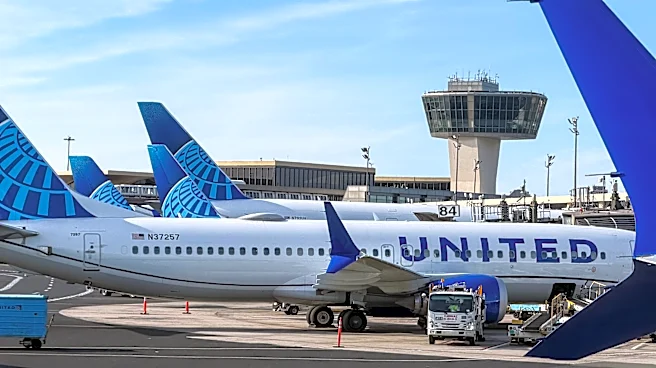
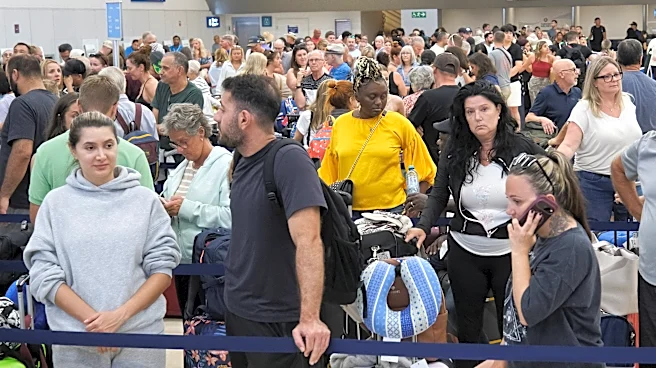
The U.S. Federal Aviation Administration (FAA) lifted a nationwide ground stop on Friday after a significant communications failure at air traffic control centers caused widespread disruption at airports across the country. The issue led to the longest
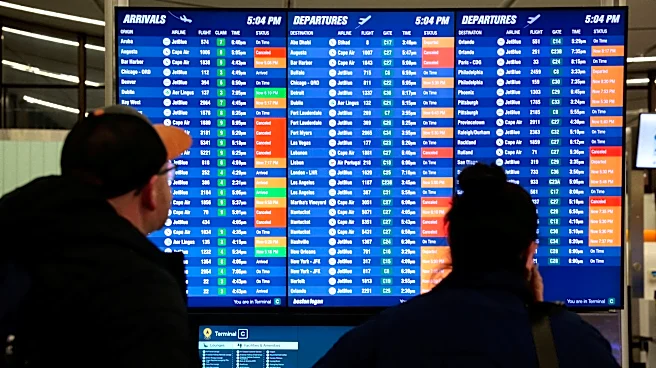
nationwide flight shutdown since the September 11, 2001, attacks. While flights already in the air were permitted to land, no planes on the ground were allowed to take off. The FAA's decision to ground all departing flights created chaos, with numerous delays and cancellations impacting travelers and airline operations. The agency worked to resolve the technical issues that led to the communication breakdown, eventually restoring normal operations and allowing flights to resume. The exact cause of the communications failure has not been detailed in the immediate aftermath of the resolution.
Why It's Important?
This nationwide flight shutdown underscores the critical importance of robust and reliable communication systems within air traffic control for the functioning of the U.S. aviation industry. Such an event can have significant economic repercussions, leading to substantial financial losses for airlines due to delayed flights, rerouted aircraft, and passenger compensation. Beyond the immediate economic impact, it highlights potential vulnerabilities in national infrastructure and the need for continuous investment in technology and redundancy for essential services. The disruption also affects countless travelers, impacting business schedules, personal plans, and overall public confidence in air travel safety and efficiency. The incident serves as a stark reminder of how quickly a technical glitch can cascade into a national crisis affecting millions.
What's Next?
Following the lifting of the ground stop, the immediate focus for airlines and airports will be on clearing the backlog of delayed flights and accommodating stranded passengers. This will likely involve rebooking, schedule adjustments, and managing customer service inquiries. The FAA is expected to conduct a thorough investigation into the root cause of the communications failure to prevent future occurrences. This investigation will likely involve assessing hardware, software, and operational protocols. Depending on the findings, there could be recommendations for system upgrades, procedural changes, or increased investment in air traffic control infrastructure. Stakeholders, including airlines and government officials, will be keen to understand the vulnerabilities exposed and implement measures to enhance resilience.
Beyond the Headlines
The incident raises broader questions about the resilience of critical national infrastructure in the face of technical failures. In an increasingly interconnected world, the reliance on complex digital systems means that a single point of failure can have far-reaching consequences. This event could prompt a wider review of contingency plans and disaster recovery protocols across various sectors, not just aviation. It also highlights the ongoing challenge of maintaining and modernizing legacy systems while integrating new technologies. The public's perception of air travel safety and reliability can be significantly influenced by such events, potentially leading to calls for greater transparency and accountability from regulatory bodies and service providers.