




What's Happening?
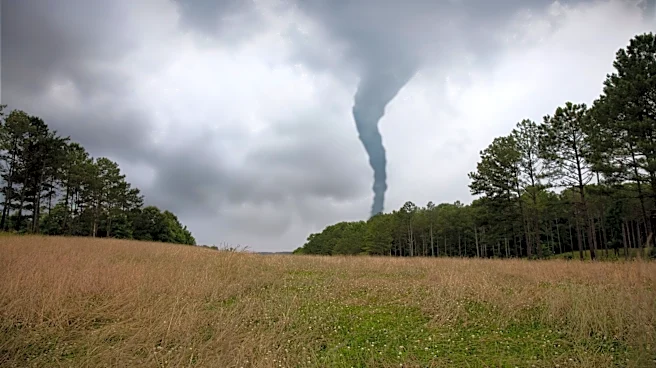
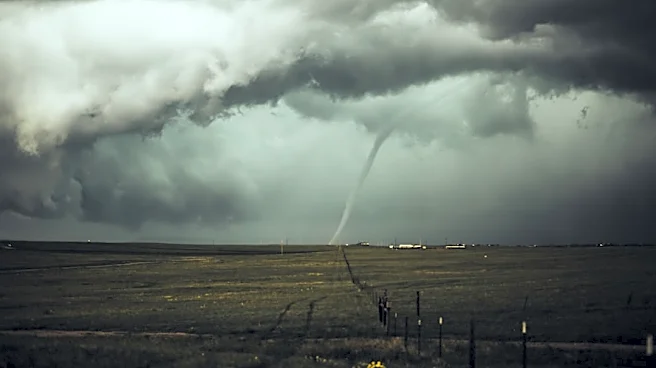
The National Weather Service has confirmed two more tornadoes in New York's Seneca County, bringing the total number of confirmed tornadoes from Wednesday evening's severe thunderstorms to five. An EF1 tornado and an EF2 tornado were identified in Seneca County following
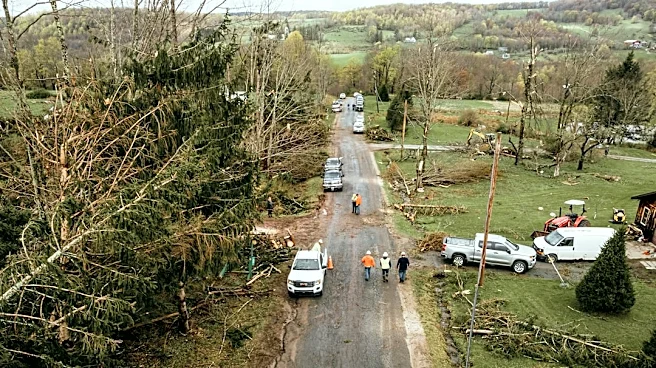
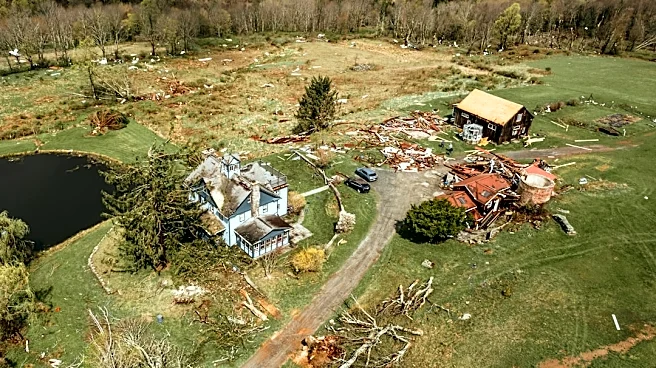
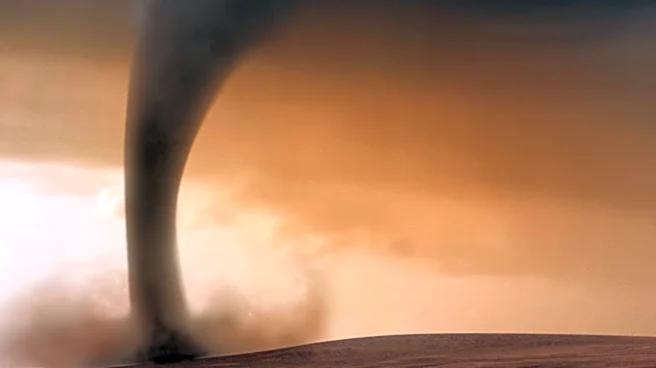
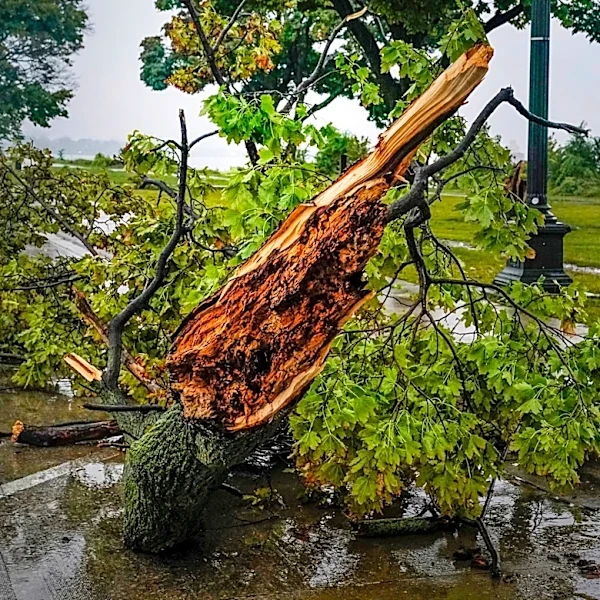
a survey by the National Weather Service in Binghamton. The EF2 tornado, with peak winds of 115 mph, touched down in Fayette near Route 96A and traveled south for approximately 7 miles to Canoga Springs. The EF1 tornado, with peak winds of 95 mph, originated west of Waterloo and moved west for 6 to 7 miles to Seneca Falls. These two tornadoes are in addition to three EF1 tornadoes previously confirmed in Western New York by the National Weather Service in Buffalo, which occurred in Olcott (Niagara County), Shelby (Orleans County), and Alexander (Genesee County) within a 90-minute period on Wednesday evening. Severe downburst winds also contributed to widespread tree damage and downed utility lines in the affected areas.
Why It's Important?
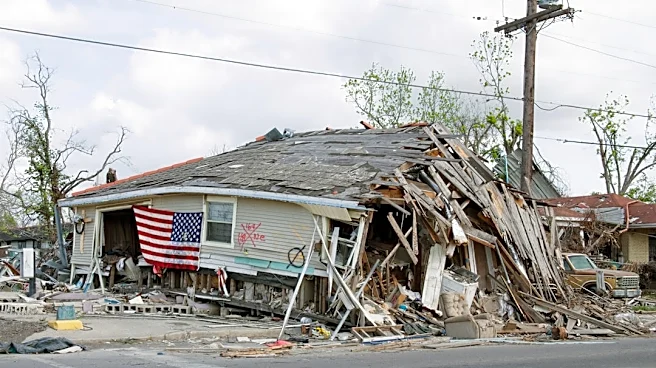
The confirmation of additional tornadoes underscores the increasing frequency and intensity of severe weather events across the United States, particularly in regions not traditionally considered part of 'Tornado Alley.' This trend has significant implications for public safety, infrastructure resilience, and emergency response planning in New York and other states. Local communities face heightened risks of property damage, power outages, and potential injuries or fatalities. For insurance companies, this translates to increased claims and financial payouts, potentially leading to higher premiums for homeowners and businesses. Furthermore, the repeated occurrence of such events places a strain on local and state resources, requiring substantial investments in weather monitoring, early warning systems, and disaster recovery efforts. The agricultural sector in affected areas may also experience crop damage, impacting local economies and food supply chains.
What's Next?
The National Weather Service is expected to release a detailed report on Friday regarding the two newly confirmed tornadoes in Seneca County, which will include specific timings. A survey team may also return to Allegany County on Friday to investigate additional storm damage. Local authorities will continue with damage assessment and recovery operations, focusing on restoring power, clearing debris, and providing assistance to affected residents. Emergency management agencies will likely review their response protocols and public communication strategies in light of these events. Communities in New York and neighboring states may also consider implementing enhanced building codes and infrastructure improvements to better withstand severe weather. Public awareness campaigns about tornado preparedness and safety measures are also anticipated to be reinforced.
Beyond the Headlines
The recent spate of tornadoes in New York highlights a broader national challenge related to climate change and its impact on weather patterns. While individual weather events cannot be directly attributed to climate change, scientific consensus suggests that a warming planet can contribute to more extreme and unpredictable weather phenomena. This situation prompts deeper discussions about long-term climate adaptation strategies, including urban planning that accounts for increased weather volatility and the development of resilient energy grids. It also raises questions about the adequacy of current federal and state funding for climate research, infrastructure upgrades, and disaster relief. The psychological toll on communities repeatedly affected by severe weather, including displacement and trauma, is another critical, often overlooked, aspect that requires sustained attention and resources.