

What's Happening?
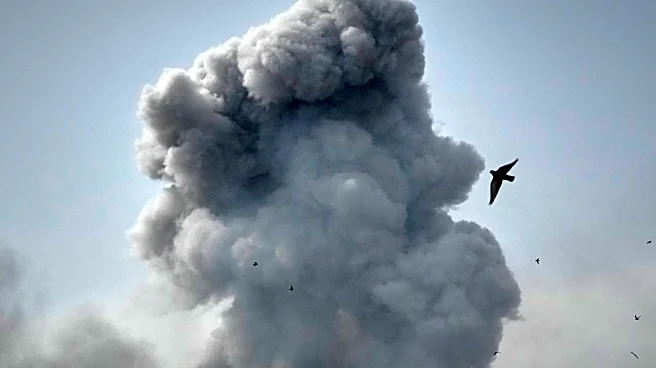
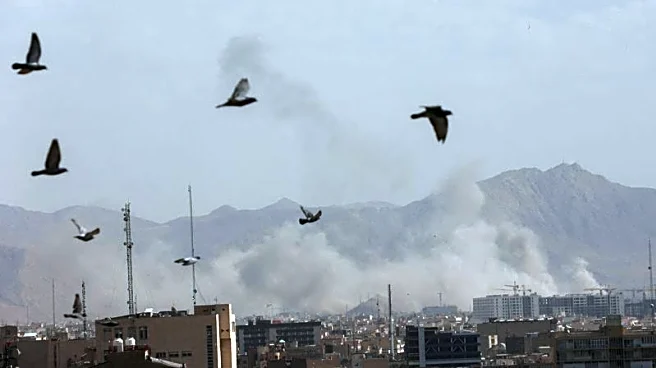
A senior White House official has indicated that Iran's 'new potential leadership' is open to discussions with the United States following a significant military operation by American and Israeli forces that resulted in the death of Iran's supreme leader and other
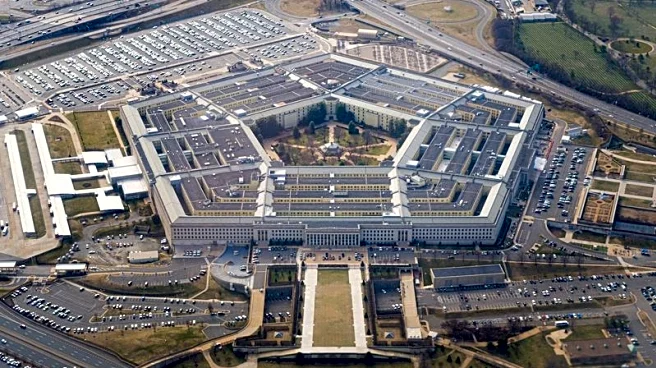
high-ranking officials. President Trump has expressed a willingness to engage in talks eventually, although the military operations continue. The U.S. Central Command reported that B-2 stealth bombers targeted Iran's ballistic missile facilities, reflecting a strategy similar to previous military actions. The intelligence for these operations was shared with Israeli officials, highlighting the collaboration between the two nations.
Why It's Important?
The potential for diplomatic talks with Iran's new leadership could signal a shift in U.S.-Iran relations, which have been strained due to Iran's nuclear ambitions and regional influence. The military operations and subsequent willingness to engage in dialogue may impact U.S. foreign policy and its approach to Middle Eastern geopolitics. The situation also raises questions about the stability of the region and the potential for further conflict, affecting global oil markets and international relations. The outcome of these developments could influence U.S. domestic politics, particularly in terms of military strategy and foreign policy decisions.
What's Next?
The continuation of military operations suggests that the U.S. is maintaining pressure on Iran while leaving the door open for future negotiations. The international community will likely monitor the situation closely, with potential reactions from global powers and regional allies. The possibility of talks could lead to a reevaluation of sanctions and diplomatic strategies. However, the risk of escalation remains, especially if retaliatory actions occur. The U.S. administration may face scrutiny over its long-term plans and the implications for American troops in the region.