






What's Happening?
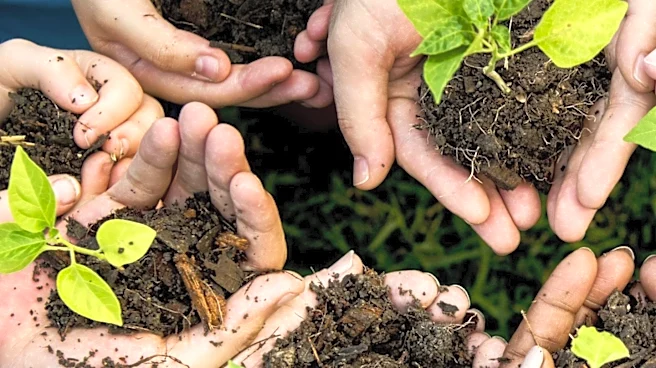
The UConn Extension Master Gardener program, supported by generous donors, is distributing thousands of seed packets across Connecticut to foster community gardens, food security initiatives, youth education, and pollinator habitats. Vicki DeLeo, UConn Extension’s
Master Gardener coordinator in Tolland County, oversees the annual seed distribution, connecting donated seeds from organizations like Ocean State Job Lot, Hart Seeds, and North Windham Home Depot with various community groups. These seeds are utilized by senior centers, schools, municipal community garden programs, food production initiatives, UConn 4-H clubs, and environmental projects. The program aims to strengthen communities by providing resources for growing fresh food, creating sustainable landscapes, and educating residents on environmental stewardship. For instance, the Enfield Rotary Garden has donated over 6,000 pounds of produce to a local food pantry this year, and the Northwest Park Organic Demonstration Garden uses seeds to grow food for the Windsor Food Bank while serving as an educational site.
Why It's Important?
This seed distribution program is vital for several reasons, impacting food security, environmental health, and community engagement across Connecticut. By providing free seeds, the initiative directly supports local food pantries and community gardens, significantly enhancing access to fresh produce for underserved populations and contributing to food security efforts. This reduces reliance on external food sources and promotes healthier eating habits. Environmentally, the program fosters the creation of pollinator habitats and urban greening projects, which are crucial for supporting biodiversity, especially bees and butterflies, and improving local ecosystems. Educationally, it offers hands-on learning opportunities for youth and adults, teaching sustainable gardening practices, soil management, and integrated pest management. This empowers communities with practical skills and knowledge, fostering a deeper connection to nature and promoting long-term environmental stewardship. The program also strengthens community bonds by bringing people together through shared gardening activities and volunteer efforts.
What's Next?
The UConn Extension Master Gardener program is expected to continue its annual seed distribution, building on its established partnerships with donors like Ocean State Job Lot, Hart Seeds, and North Windham Home Depot. The program will likely seek to expand its reach, connecting with more schools, nonprofits, municipalities, and community organizations across Connecticut to further its impact on food security, education, and environmental projects. Efforts will continue to monitor and highlight the successes of participating gardens, such as the Enfield Rotary Garden's produce donations and the educational initiatives at the Northwest Park Organic Demonstration Garden. The program will also likely continue to engage Master Gardener volunteers in planning, sowing, maintaining, and harvesting, as well as in educational outreach. The ongoing commitment to providing free seeds will enable more communities to establish and expand gardening projects, fostering healthier environments and stronger community ties.
Beyond the Headlines
Beyond the immediate benefits of fresh produce and green spaces, the UConn Extension Master Gardener program embodies a deeper philosophy of community empowerment and ecological literacy. By distributing seeds, the program is not just providing a resource but is also cultivating self-sufficiency and resilience within communities. It encourages a return to local food systems, reducing the carbon footprint associated with food transportation and fostering a greater appreciation for where food comes from. The educational component, particularly for youth, instills a sense of environmental responsibility and practical skills that can last a lifetime. This initiative also highlights the power of collaboration between academic institutions, businesses, and local communities to address complex challenges like food insecurity and environmental degradation. It demonstrates how simple, tangible actions, like planting a seed, can have far-reaching positive impacts on public health, local economies, and ecological balance, fostering a more sustainable and connected society.