







What's Happening?
The Federal Communications Commission (FCC) has filed a motion asking a federal court to dismiss a lawsuit brought by ABC, which alleges that the FCC's early review of its television station licenses constitutes an 'extraordinary assault' on its First
Amendment rights. ABC's lawsuit claims that the FCC's true motive for initiating early license renewals for its eight owned-and-operated local TV stations is to regulate the content of its programming, rather than its stated reason of investigating allegations of unlawful discrimination in employment practices at Disney and ABC. The FCC, in its September 3 filing, argues that ABC has failed to establish a causal link between its protected speech and the early renewal proceedings. The agency maintains that the early review was triggered by Disney's alleged lack of cooperation with an anti-discrimination inquiry that began in early 2025. The FCC also contends that the federal district court is the incorrect venue for the lawsuit, asserting that such legal challenges should be heard by federal appeals courts.
Why It's Important?
This legal battle between a major broadcaster and the FCC carries significant implications for media freedom and regulatory oversight in the United States. ABC's claim of First Amendment retaliation, if proven, could set a precedent regarding the extent to which government agencies can influence broadcast content through licensing procedures. Conversely, if the FCC's motion to dismiss is granted, it could reinforce the agency's authority to conduct investigations into broadcasters' compliance with regulations, including those related to employment practices. The dispute highlights ongoing tensions between media organizations and government bodies, particularly concerning perceived political motivations behind regulatory actions. The outcome of this case could influence how broadcasters approach programming decisions, especially those involving political commentary, and how the FCC exercises its power over broadcast licenses. Free-speech advocates have expressed concerns that weaponizing public airwave licenses could create a chilling effect on editorial independence.
What's Next?
U.S. District Judge Loren AliKhan has scheduled a hearing for the week of October 5. This hearing will primarily address the FCC's jurisdictional venue motion, determining whether the federal district court is the appropriate forum for ABC's lawsuit. If the court rules in favor of the FCC on the jurisdictional issue, the case could be dismissed or transferred to a federal appeals court. If the court allows the case to proceed in the district court, it would then move to address the underlying constitutional merits of ABC's complaint regarding First Amendment violations. The FCC has stated that it will continue to review and analyze the voluminous public comments received regarding the ABC license renewal, which have been fueled by Disney's campaign urging viewers to submit comments. The agency maintains that it remains 'open-minded' and will follow the facts and the law wherever they lead in its investigation into Disney's employment practices.
Beyond the Headlines
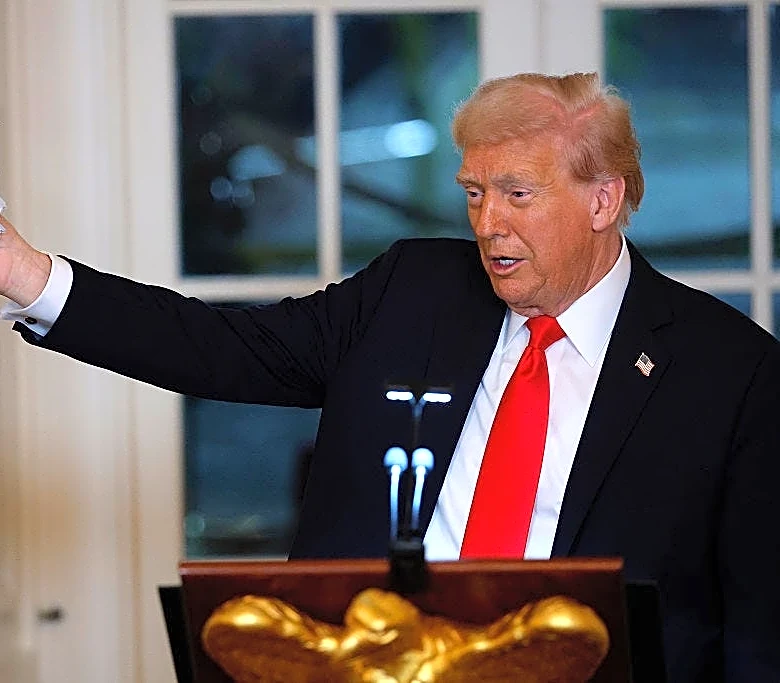
This dispute delves into the complex interplay between media regulation, corporate conduct, and political influence. The FCC's investigation into Disney's diversity, equity, and inclusion (DEI) practices, coupled with the timing of the early license review following critical comments about ABC programming from President Trump and FCC Chairman Brendan Carr, raises questions about the potential for regulatory actions to be perceived as politically motivated. The case also touches upon the broader debate about the role of broadcasters in public discourse and their responsibilities to operate in the 'public interest.' The FCC's assertion that Disney's lack of cooperation in the DEI investigation triggered the early review, contrasted with Disney's claim of producing over 11,000 pages of documents, highlights the differing narratives and the challenges in establishing clear intent behind regulatory decisions. The outcome could influence future interactions between media conglomerates and government regulators, particularly in an increasingly polarized political environment.