







What's Happening?
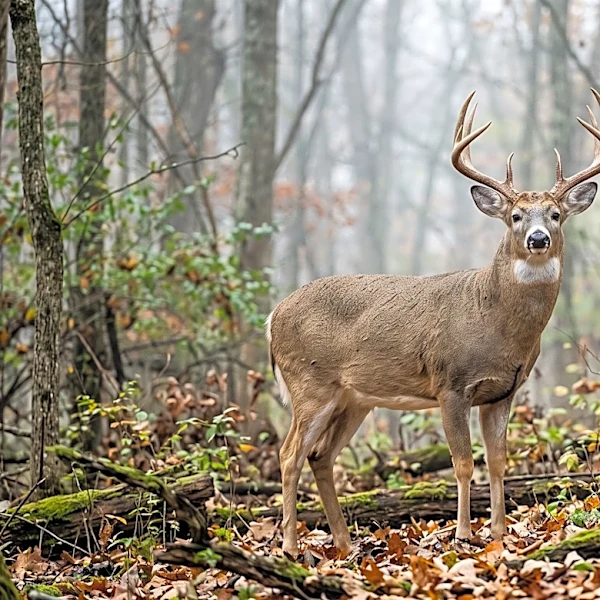
The Michigan Department of Natural Resources (DNR) has released a list of 10 essential tips for hunters as the traditional firearm deer hunting season commences on November 15. These guidelines aim to ensure a safe and successful season by addressing
common violations and promoting responsible hunting practices. Key recommendations include proper licensing and tagging of deer, which can be done digitally via the DNR Hunt Fish app or at designated retail locations. Hunters are reminded to validate digital tags immediately after harvest, even without cellular service. The DNR also emphasizes the importance of knowing one's firearm, transporting it safely, and identifying targets and their surroundings to prevent accidents and property damage. Respect for landowner rights, responsible use of public land, and adherence to baiting regulations are also highlighted. Additionally, hunters are required to wear hunter orange between November 15-30 for visibility and safety. The DNR encourages reporting any suspected poaching or hunter harassment to their hotline.
Why It's Important?
These guidelines are crucial for several reasons, impacting public safety, wildlife management, and the hunting community in Michigan. By promoting safe firearm handling and target identification, the DNR aims to reduce hunting-related accidents and ensure the well-being of both hunters and the general public. Proper licensing and tagging are vital for accurate data collection, which informs wildlife management strategies and helps maintain healthy deer populations. Adherence to baiting regulations is particularly important for preventing the spread of diseases like bovine tuberculosis and chronic wasting disease, which can devastate wildlife and impact agricultural interests. The emphasis on respecting landowner rights and sharing public land fosters a positive relationship between hunters and other land users, preventing conflicts and ensuring continued access to hunting grounds. Ultimately, these tips contribute to the sustainability of Michigan's hunting tradition and the responsible stewardship of its natural resources.
What's Next?
As the firearm deer hunting season progresses, the Michigan DNR will continue to monitor hunting activities and enforce regulations. Conservation officers will be actively patrolling hunting areas to ensure compliance with licensing, tagging, and safety protocols. The DNR's Report All Poaching hotline will remain operational for individuals to report violations, with fast reporting increasing the likelihood of identifying suspects. Educational efforts will likely continue through various channels, reinforcing the importance of safe and ethical hunting. The data collected from deer harvests will be analyzed to inform future hunting regulations and wildlife management decisions. Hunters are expected to stay informed about any updates to regulations and to continue practicing responsible hunting throughout the season. The success of these measures will depend on the cooperation of the hunting community in adhering to the guidelines and reporting any illicit activities.
Beyond the Headlines
The DNR's comprehensive guidelines extend beyond immediate safety concerns, touching upon broader ethical and environmental considerations. The call for hunters to 'leave the land better than you found it' underscores a commitment to environmental stewardship, encouraging practices that minimize human impact on natural habitats. This principle aligns with a growing awareness of conservation and the role hunters can play in preserving ecosystems. The detailed instructions on baiting regulations, particularly concerning disease prevention, highlight the complex interplay between human activities and wildlife health. This reflects a proactive approach to managing potential ecological threats. Furthermore, the emphasis on respectful conduct towards other hunters and landowners promotes a culture of sportsmanship and community within the hunting fraternity. These deeper implications suggest a holistic approach by the DNR, aiming not just for compliance but for a responsible and sustainable hunting culture that benefits both wildlife and the human community.