



What's Happening?
The Bluetooth Special Interest Group has officially unveiled Bluetooth High Data Throughput (HDT), a significant upgrade set to be part of the Bluetooth Core 7.0 standard. This revision will supercharge Bluetooth Low Energy by increasing maximum bit rates
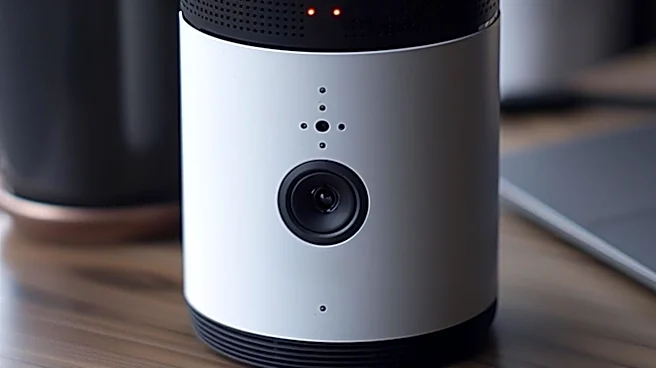
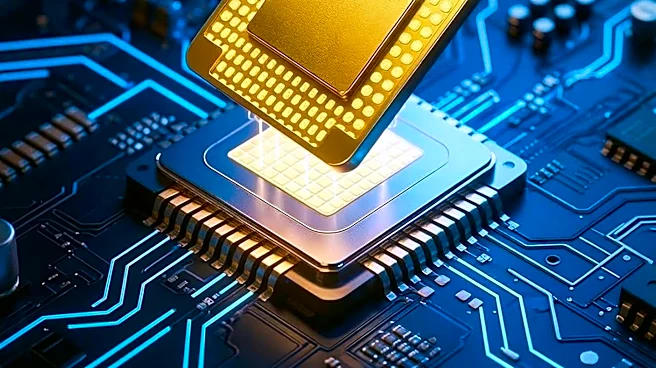
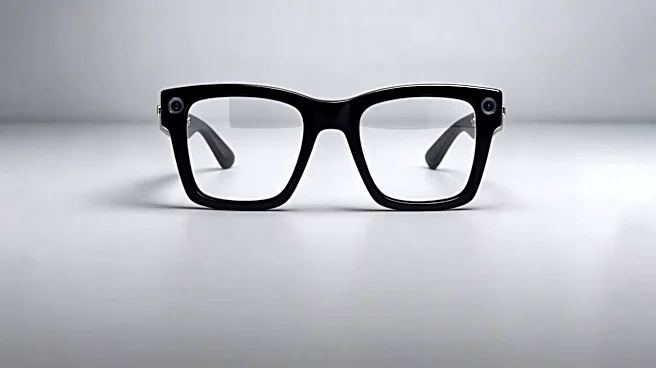
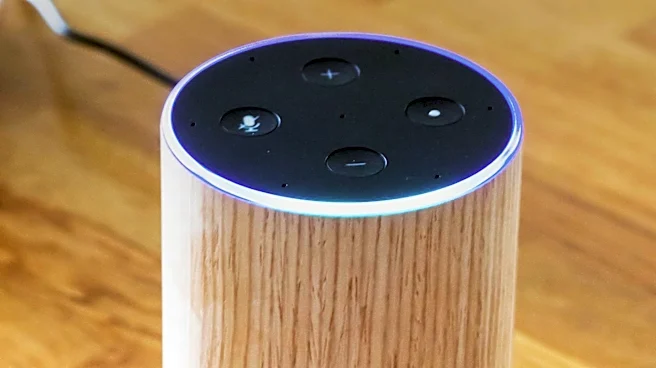
to 7.5Mbps, effectively quadrupling the throughput of existing LE 2M technology. Compatible devices are expected to be available starting in 2027. This advancement will primarily benefit premium wireless audio devices like earbuds, enabling richer experiences such as high-resolution, lossless, surround, and spatial audio. Beyond audio, the enhanced speeds will also improve various other applications, including spatial computing, AI-related data exchange with local devices, health wearables, and a wide range of smart home applications, such as streaming music through smart speakers or dimming smart bulbs. The core of this speed increase lies in a new physical layer for Bluetooth, which utilizes new modulation schemes to handle and transmit data more efficiently, while also improving battery life for connected devices.
Why It's Important?
This significant upgrade to Bluetooth technology will have a profound impact across multiple U.S. industries and consumer experiences. For the consumer electronics market, it will enable a new generation of high-fidelity wireless audio products, potentially driving sales and innovation in headphones, earbuds, and smart speakers. In the smart home sector, faster and more efficient Bluetooth connectivity will lead to more responsive and reliable devices, improving user experience for everything from smart locks to lighting systems. This could accelerate the adoption of smart home technology by addressing current limitations related to speed and battery life. Furthermore, the enhanced data throughput will be crucial for emerging technologies like spatial computing and AI-enabled devices, allowing for more seamless data exchange between local devices and the cloud. This upgrade also promises improved battery life for many Bluetooth-enabled devices, which is a key factor for consumer satisfaction and product longevity, particularly for wearables and smart home sensors.
What's Next?
Consumers can anticipate the first wave of devices featuring Bluetooth Core 7.0 and HDT to hit the market in early 2027, with premium wireless audio products like headphones and earbuds leading the rollout. Following this, other applications, including smart home devices, health wearables, and spatial computing accessories, will gradually adopt the new standard. Device manufacturers will begin integrating the new physical layer into their product designs, which may take some time to fully propagate across all product categories. The increased speed and efficiency will likely spur innovation in how devices interact and communicate, potentially leading to new functionalities and improved user experiences in smart ecosystems. Developers will also explore how to leverage the higher bandwidth for more complex data transfers, such as real-time sensor data from wearables or more sophisticated control signals for smart home automation. The industry will likely see a push for backward compatibility to ensure a smooth transition for existing devices.
Beyond the Headlines
The quadrupling of Bluetooth speeds represents more than just a technical upgrade; it signifies a foundational shift in how wireless personal area networks will operate. This advancement could accelerate the convergence of various technologies, making the 'Internet of Things' more robust and seamless. The improved efficiency and battery life could also reduce the environmental impact of electronic devices by extending their usable lifespan and reducing the frequency of battery replacements. Ethically, as more devices become interconnected and exchange larger volumes of data, concerns around data privacy and security will become even more critical. Manufacturers will need to implement robust security protocols to protect the increased flow of personal and sensitive information. This upgrade also sets the stage for more sophisticated ambient computing environments, where devices intelligently anticipate and respond to user needs with minimal latency, blurring the lines between physical and digital interactions in everyday life. The long-term implications include a more deeply integrated and responsive technological landscape.