
What's Happening?
U.S. power plants increased their electricity output by 2.1% in the first half of the year compared to the same period in the previous year, largely due to rising demand from data centers and other large consumers.
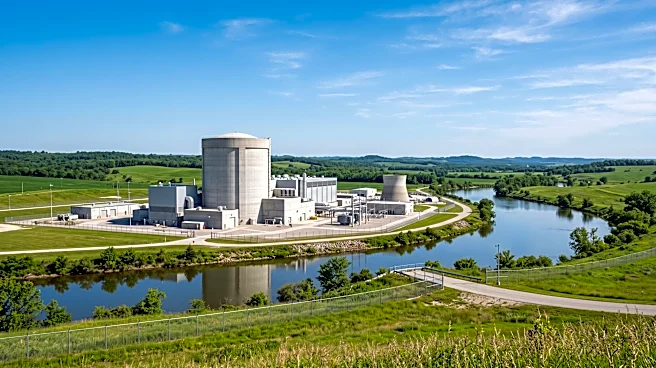
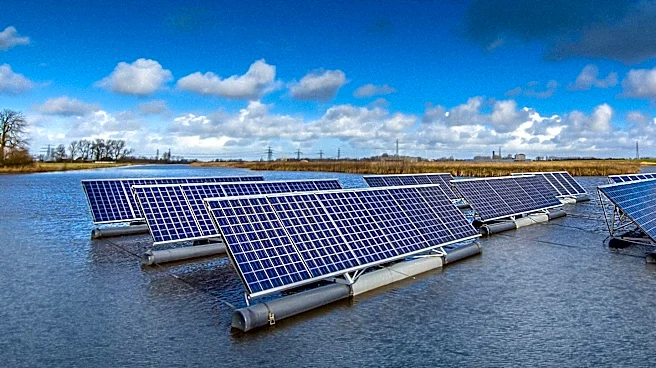
Texas saw the largest increase in utility-scale generation, primarily driven by a 35% surge in solar power, which is on track to surpass coal as the state's leading electricity source for the first time. Washington experienced a significant rise in hydropower generation due to heavy rains, leading to increased output from its dams. Tennessee boosted its nuclear output by utilizing existing plants more frequently, while Ohio's increase was fueled by natural gas. California, however, saw a plummet in utility-scale generation, attributed to extensive solar power and battery storage capabilities, reducing its reliance on natural gas.
Why It's Important?
This shift in electricity generation highlights significant trends in the U.S. energy landscape, particularly the growing dominance of renewable sources like solar and hydropower. Texas's rapid solar expansion demonstrates the economic competitiveness and deployment speed of solar technology, signaling a potential long-term shift away from fossil fuels even in traditionally carbon-intensive states. California's ability to decrease utility-scale generation while meeting demand through renewables and storage showcases a model for grid modernization and decarbonization. These developments have implications for energy policy, infrastructure investment, and the economic viability of different power sources across the nation. The increased demand from data centers also underscores the growing energy needs of the digital economy and the importance of sustainable power solutions.
What's Next?
The trends observed in the first half of the year are expected to continue, with utility-scale solar's rise in Texas being a key area to watch. States like Ohio are also projected to see significant increases in gas-fired electricity as new plants come online to serve data centers. The ongoing expansion of renewable energy capacity, particularly solar and battery storage, will likely further reshape the national energy mix. Policy decisions regarding clean energy tax credits and regulations will continue to influence investment and development in the sector. The U.S. Energy Information Administration will continue to monitor and report on these shifts, providing crucial data for energy planning and policy-making.
Beyond the Headlines
The varying energy generation trends across states reflect diverse regional resources, policy environments, and economic drivers. While some states are rapidly embracing renewables, others continue to rely on traditional sources like natural gas and, in some cases, coal. This divergence highlights the complex challenges and opportunities in achieving a nationwide clean energy transition. The role of battery storage, particularly in California, is critical in addressing the intermittency of renewable sources and optimizing grid efficiency. Furthermore, the political landscape surrounding clean energy tax credits, as evidenced by the actions of groups like the Invest in Tomorrow Coalition, indicates that energy policy will remain a contentious and influential factor in future developments. The increasing energy demands of data centers also raise questions about sustainable growth and the potential for decentralized energy solutions.