






What's Happening?
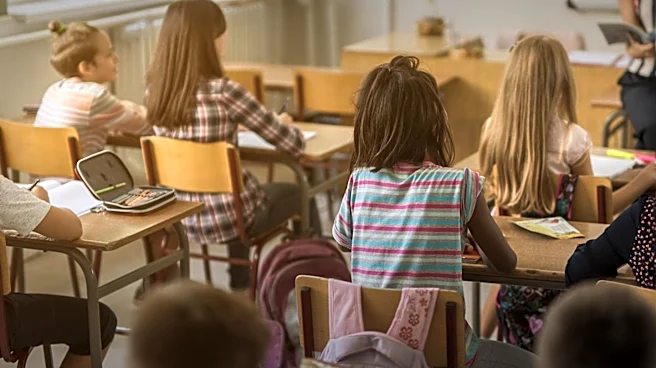
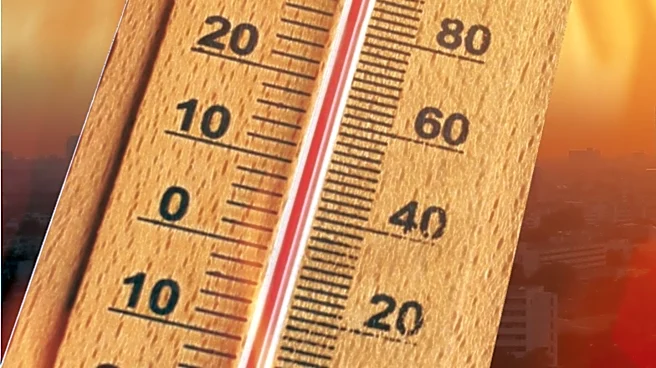
The UK is experiencing severe heatwaves, with temperatures in some classrooms exceeding 40°C, causing significant challenges for schools. Teachers report that the extreme heat has led to heatstroke, nausea, and headaches among students and staff. Many
schools lack adequate cooling systems, and some have resorted to makeshift solutions like wet paper towels and trays of water to help students cope. The heat has disrupted learning, with some schools closing or partially closing during peak temperatures. The government has been urged to implement long-term solutions, such as installing air conditioning in schools, to address the growing impact of climate change on education.
Why It's Important?
The extreme heat in the UK highlights the broader implications of climate change on public infrastructure and education. Schools are struggling to maintain safe and conducive learning environments, which affects students' health and educational outcomes. The situation underscores the need for government intervention and investment in climate adaptation measures. The economic impact is also significant, as school closures disrupt parents' work schedules and strain community resources. This event serves as a warning for other regions to prepare for similar climate-related challenges.
What's Next?
The UK government faces pressure to develop a comprehensive plan to protect schools and communities from extreme weather. This includes potential investments in infrastructure upgrades, such as air conditioning and better insulation for school buildings. Additionally, there is a call for policies to reduce carbon emissions and mitigate climate change. The ongoing heatwaves may prompt further discussions on climate resilience and adaptation strategies at both national and local levels.
Beyond the Headlines
The heatwave in the UK is part of a larger pattern of increasing global temperatures, which could lead to more frequent and severe weather events. This situation raises ethical questions about the responsibility of governments and industries to address climate change and protect vulnerable populations. The impact on education also highlights the need for innovative solutions to ensure that learning can continue safely in the face of environmental challenges.