
What's Happening?
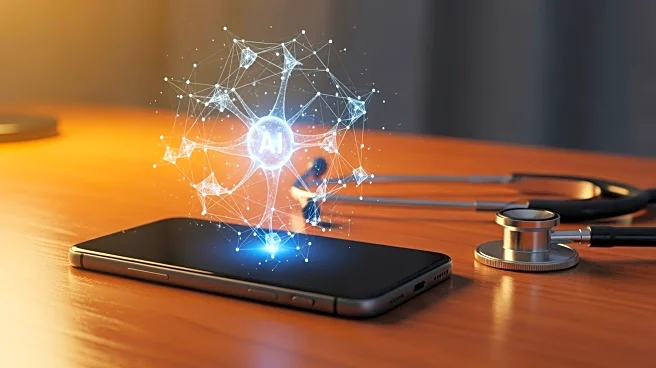
As the holiday season coincides with an increase in seasonal illnesses, there is a growing trend of individuals using artificial intelligence (AI) tools to self-diagnose their symptoms. Medical professionals
are cautioning against this practice, highlighting the potential for increased anxiety and inaccurate conclusions. Dr. Joshua Houser, director of emergency medicine at Baylor Scott & White Health, emphasized that while AI can be an improvement over general internet searches, it should not replace professional medical advice. He noted that AI might lead patients to focus on rare and serious conditions they do not have, prompting unnecessary tests and treatments. The reliance on AI for health information is becoming more common, but experts urge individuals to seek professional medical care instead.
Why It's Important?
The reliance on AI for self-diagnosis during the holiday season could have significant implications for public health. The potential for misdiagnosis and unnecessary anxiety could lead to increased healthcare costs and strain on medical resources. Furthermore, the use of AI without professional oversight might result in individuals ignoring serious health conditions that require immediate attention. This trend underscores the need for public awareness about the limitations of AI in healthcare and the importance of consulting healthcare professionals for accurate diagnoses and treatment plans. The situation also highlights the broader issue of digital health literacy and the need for better education on the appropriate use of technology in healthcare.