




What's Happening?
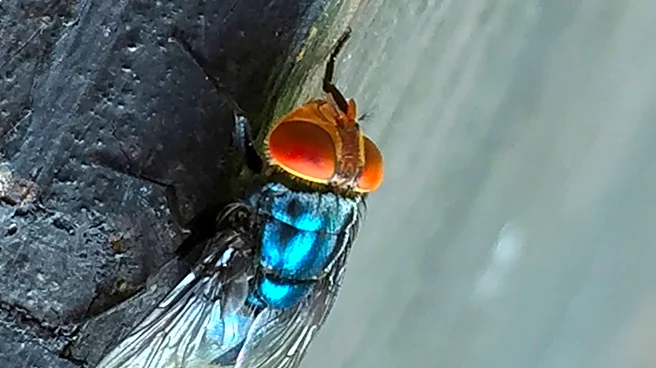
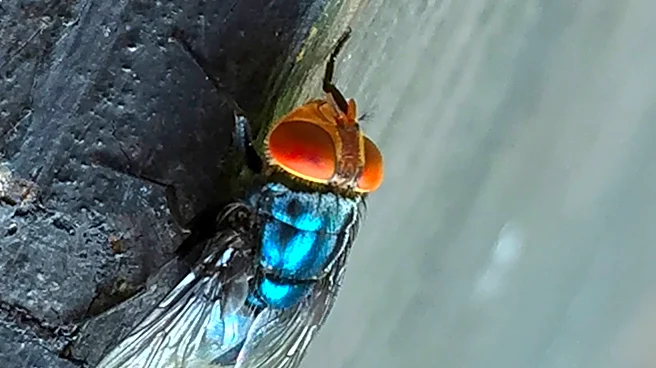
Governor Greg Abbott has expanded a state disaster declaration in response to a screwworm infestation in Texas. The U.S. Department of Agriculture (USDA) confirmed a second case of New World screwworm in Zavala County, prompting increased measures to control
the outbreak. The USDA is deploying mobile response teams and increasing surveillance, while Abbott's order reallocates state resources to expedite the shipment of sterile flies and the construction of a sterile fly facility in South Texas. The sterile flies are intended to disrupt the reproduction cycle of the parasitic screwworm fly. The USDA has established a 20-kilometer 'infested zone' to prevent the movement of animals without inspection, and a wider surveillance zone includes several counties. The federal government is covering the cost of building facilities to raise and distribute sterile flies.
Why It's Important?
The screwworm infestation poses a significant threat to Texas's economy, with potential damages estimated at $1.8 billion. The outbreak could also exacerbate already high beef prices nationwide, given Texas's pivotal role in the cattle industry. Screwworms cause severe damage to livestock, leading to illness and death, which could impact the agricultural sector and food supply chains. The state's response, including the deployment of sterile flies, is crucial to mitigating these economic risks. The situation highlights the importance of rapid and coordinated action between state and federal agencies to address agricultural pests.
What's Next?
Governor Abbott is pushing for the completion of a sterile fly facility in Texas by May next year, ahead of the original schedule. The USDA is working with Mexican partners to open a facility in Metapa, Mexico, to aid in the production of sterile flies. The state is prioritizing resources for affected counties, and federal officials are collaborating with local partners to manage the outbreak. The USDA has already dispersed over 130 million sterile flies in Texas since January, and efforts are ongoing to increase the volume and speed of fly dispersal to control the infestation.