





What's Happening?
A recent analysis by Climate Central indicates a measurable link between temperatures amplified by climate change and an increase in gun violence incidents across 100 U.S. cities. From 2021 to 2025, over 1,900 gun violence incidents were attributed to climate-induced
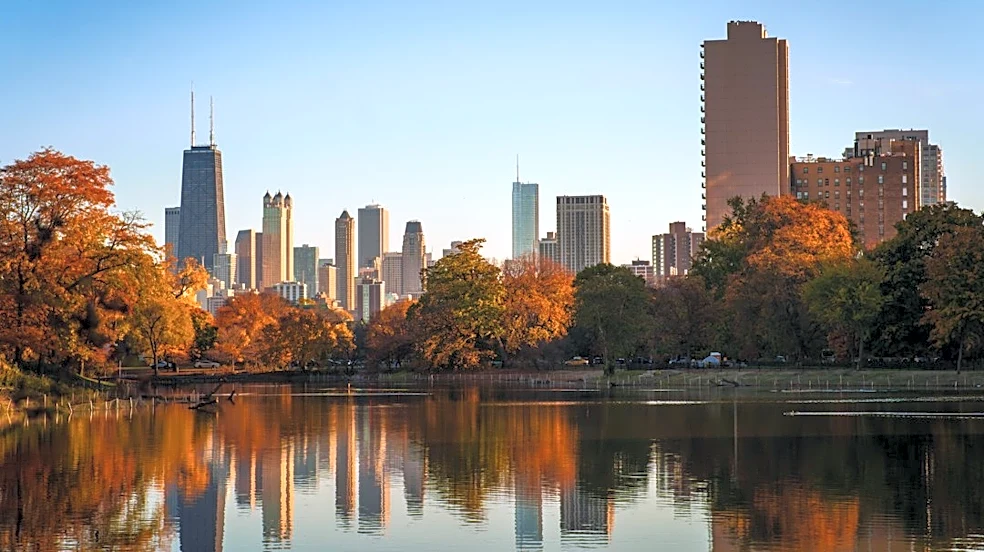
high temperatures out of nearly 116,300 total shootings. The study found that 97 of the 100 analyzed cities experienced an average of 20 additional gun violence incidents due to climate change during this five-year period. Cities like Chicago, Philadelphia, and New York City each saw more than 100 such incidents. Researchers suggest that hotter temperatures can increase aggression by activating brain regions responsible for emotional regulation and by increasing adrenaline. Additionally, warmer weather may lead to more social interactions, potentially increasing opportunities for conflict and violence. This analysis isolates the impact of high temperatures, acknowledging that gun violence is a complex issue influenced by various factors including socioeconomic stressors, mental health, and firearms policies.
Why It's Important?
This finding highlights a previously less-emphasized societal impact of climate change within the United States: its potential to exacerbate public safety issues. While the overall influence of climate change on gun violence incidents is currently less than 2%, the fact that it is measurable and expected to grow with continued warming is significant. This connection underscores the far-reaching consequences of climate change, extending beyond environmental and economic spheres into direct impacts on community safety and public health. For policymakers, this research introduces a new dimension to both climate action and gun violence prevention strategies, suggesting that addressing climate change could indirectly contribute to reducing violence. For communities, particularly those in urban areas already grappling with high rates of gun violence, this adds another layer of urgency to climate resilience efforts. The study also emphasizes the need for a holistic approach to understanding and mitigating gun violence, recognizing environmental factors as contributors alongside social and economic determinants.
What's Next?
The findings suggest a need for further research into the exact causal mechanisms linking temperature and aggressive behavior, as well as the potential for acclimatization to higher temperatures to alter this relationship over time. Policymakers may consider integrating climate resilience and adaptation strategies into urban planning and public safety initiatives, particularly in cities identified as highly affected. This could involve developing heat mitigation strategies in urban areas, alongside existing efforts to address the root causes of gun violence. Public health organizations and community leaders might also use this information to raise awareness about the broader implications of climate change and advocate for comprehensive solutions that address both environmental and social determinants of health and safety. The ongoing monitoring of gun violence incidents in relation to temperature fluctuations will be crucial to track this trend and inform future interventions.
Beyond the Headlines
The study delves into the less obvious, yet profound, societal implications of climate change, moving beyond the commonly discussed environmental and economic impacts. It raises ethical questions about the responsibility of addressing climate change not just for ecological preservation, but also for human safety and well-being. The connection between climate change and gun violence highlights the interconnectedness of global environmental issues with local social problems, suggesting that climate action is inherently a matter of social justice and public health. This perspective could shift public discourse on climate change, framing it not just as an environmental challenge, but as a direct threat to the fabric of urban communities. It also underscores the importance of interdisciplinary approaches to complex problems, requiring collaboration between climate scientists, public health experts, criminologists, and urban planners to develop effective, integrated solutions.