







What's Happening?
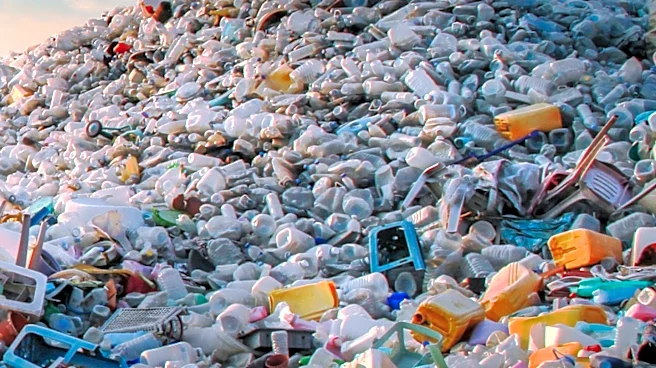
Nacional, a Croatian news portal, has revealed a list of 86 large, active illegal waste dumpsites across Croatia, many of which are located near water protection zones and even water sources. This list, compiled by the association Ekologija grada, highlights
the continuous dumping of waste at these sites despite their known status to the Ministry of Environmental Protection and Green Transition. The situation is particularly concerning as the Ministry, led by Marija Vučković, operates an interactive map system (ELOO) where citizens can report illegal dumpsites. Since its inception in 2019, citizens have submitted over 20,940 reports, with 82% processed. However, the ELOO system itself has been criticized for not including all significant sites, such as a dangerous waste dump in Gospić, which has become a focal point in the national discussion on waste management. The issue underscores a broader problem of inadequate state oversight and enforcement regarding waste disposal.
Why It's Important?
The prevalence of illegal dumpsites in Croatia poses significant environmental and public health risks, particularly due to their proximity to water sources. This situation reflects a systemic failure in waste management, with potential long-term consequences for the country's natural resources and the well-being of its citizens. The financial burden of remediation for just six of these sites is estimated to be in the tens, possibly hundreds, of millions of euros, with the Gospić site alone potentially exceeding one hundred million euros. This financial strain on the state budget is exacerbated by a system that, according to a business source, has allowed small companies with minimal capital to obtain waste management permits, leading to uncontrolled dumping and tax evasion. The lack of effective control and sanctioning mechanisms not only pollutes the environment but also undermines public trust in government institutions and their ability to protect national assets.
What's Next?
The association Ekologija grada has urged the parliamentary Committee for Environmental Protection and Nature to convene a thematic session to address the escalating problem of uncontrolled waste dumping. They are calling for the involvement of all relevant institutions, the establishment of a stronger oversight system for construction waste, better control of waste flows, and more effective penalties for illegal dumping. The association emphasizes the need for a systemic solution rather than merely addressing the consequences at taxpayers' expense. Without a more accessible, monitored, and functional legal waste management system, illegal dumping is expected to remain a profitable practice. The ongoing national debate, sparked by cases like Gospić and Benkovac, indicates a growing public and political awareness, but a clear resolution remains elusive.
Beyond the Headlines
The issue of illegal waste dumps in Croatia extends beyond environmental pollution; it highlights a deeper problem of governance and regulatory failure. The criticism that permits are issued to undercapitalized companies, which then engage in illegal dumping, points to potential corruption or severe loopholes in the regulatory framework. This 'business' of illegal waste disposal not only harms the environment but also diverts funds from the state budget through tax evasion and shifts the cost of cleanup to the public. The situation also raises ethical questions about corporate responsibility and the state's duty to protect its citizens and natural heritage. As a tourist-dependent country, Croatia's image and economic viability are intrinsically linked to its environmental health, making the resolution of this issue critical for its long-term sustainability and international reputation.